
How to Choose Outdoor Chairs for Comfort (2026 Guide)

Outdoor chairs in 2026 should prioritize long-term comfort as much as style and durability. The right chair can extend your time enjoying fresh air by hours, while the wrong one causes aches within 30–45 minutes. This guide focuses on concrete comfort factors: ergonomics, materials, climate adaptation, and how you actually use your outdoor space. Whether you have a sprawling backyard, a compact deck, a shaded porch, or a small city balcony, these principles apply.

Clarify How You’ll Use Your Outdoor Space
Comfort starts with understanding your use-case. Are you reading, dining at a table, working remotely, napping, or hosting guests? Each activity demands different seating.
Consider the contrast: quick morning coffee sessions lasting 10–15 minutes suit lightweight upright chairs, while 3-hour dinners need stable dining models, and weekend lounging requires deep-seated recliners for full-body relaxation. Before shopping for new furniture, list your top 2–3 outdoor activities and note approximate time spent, for example, “90 minutes most evenings from May to September.”
Match activities to chair styles: upright dining chairs for meals at a dining table, reclined loungers for sunbathing, deep seating for conversation, and foldable options for flexible spaces. If you have a small outdoor living area like a 6×10-foot balcony, avoid overly deep lounge chairs exceeding 24 inches that make movement awkward. In tight spaces, bistro chairs or stackable models preserve room to navigate year-round comfortably.
Key Ergonomic Factors That Make a Chair Comfortable
Ergonomics is the backbone of sustained comfort, especially if you regularly sit outside for 60–180 minutes. The right fit means your body weight is distributed evenly, preventing pressure points that lead to fatigue.
Seat height should measure roughly 16–18 inches from the ground for dining, allowing feet to rest flat without pressure on the back of the knees. For loungers, 14–16 inches works better. If your feet are left hanging, circulation suffers, and discomfort follows within the hour. Both chair height and seat depth should be chosen to prevent feet hanging, as this is a key factor in maintaining comfort and proper circulation.
Seat depth matters equally. Aim for 18–20 inches for dining, 20–22 inches for reading or conversation, and 22–24 inches for true lounging. People under 5’6” often prefer shallower seats to avoid compressed lumbar regions. Proper seat depth of 20–24 inches allows you to sit back comfortably without your feet hanging off the edge.
Backrest angle varies by purpose: around 5–10° tilt for dining promotes upright posture, 10–15° for relaxed conversation reduces trapezius tension, and a deeper recline (20–30°) for lounge chairs distributes weight to decrease disc pressure. Too upright backs cause shoulder and neck strain over time.
Look for lumbar support through gently curved backrests that follow the spine’s natural shape; this reduces slouching and lower-back strain by up to 25%. Wide armrests positioned at elbow height when arms hang naturally (roughly 7–9 inches from the seat) keep shoulders relaxed. Armrests 4–6 inches wide allow you to rest a forearm or a small book comfortably.
Match Chair Materials to Comfort and Climate
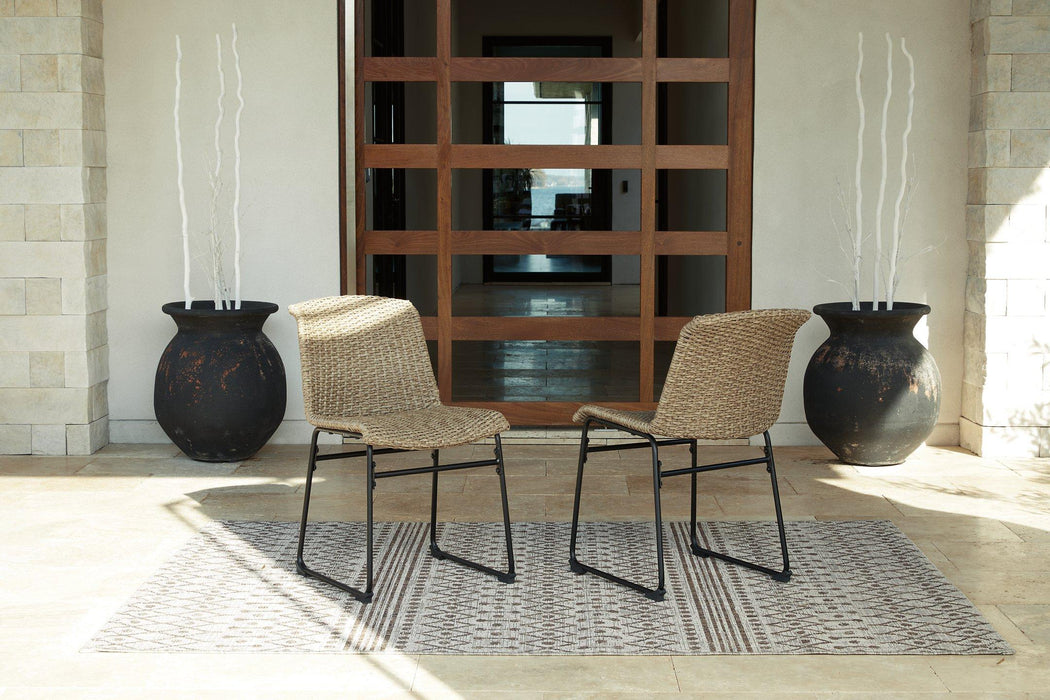
How materials feel after an hour in real weather conditions matters far more than showroom appeal. Metal chairs, wood chairs, wicker, plastic, and synthetics all perform differently across climates.
Metal frames, including aluminum and powder-coated aluminum, can reach surface temperatures of 120–140°F in direct July sun, potentially requiring cushions or shade for comfort. However, powder-coated finishes resist rust and add durability, making metal chairs practical for many backyard settings when paired with thick cushions.
Quality hardwoods like teak or eucalyptus stay more temperature-neutral, typically within 10–15°F of ambient air. These dense, naturally oily species age into smoother, more comfortable surfaces over 5–10 years and handle weather exposure gracefully. Wood brings warmth both visually and tactilely.
Synthetics, resin, high-density plastic, and sling fabrics remain 20–30% cooler to the touch due to breathability. Quick-drying sling or mesh seats drain 90% of moisture in under 30 minutes after heavy rain, while cushioned wood may retain water for days. For coastal zones, look for galvanized or anodized finishes that handle salt air without corroding into rough, uncomfortable surfaces.
Always check for smooth, rounded edges. Sharp seams or visible rivets can catch skin or clothing, reducing comfort significantly on bare legs during humid summers. A quick wipe with a damp cloth should reveal any rough spots before purchase.

Choosing the Right Outdoor Chair Type for Comfort
Different outdoor chair types suit different comfort needs and time spans outside.
Upright dining chairs excel for 60–120 minute meals. Look for a seat height that aligns knees at 90 degrees relative to the tables, a modest 5° recline, and firm support preventing forward slump. These create the best patio chairs for regular entertaining.
Lounge and deep seating chairs mimic indoor sofas with 14–16 inch seats, generous depth, and thick cushions that envelop hips and thighs. Pressure-mapping studies show these reduce sitting pressure by 50%, making them ideal for afternoons of relaxing or napping.
Adirondack-style chairs feature sloped seats dropping 4–6 inches front-to-back, reclined backs, and extra-wide armrests suitable for resting drinks or books. Their shape suits long, casual sessions but works less well for formal dining.
Rocking and glider chairs incorporate gentle motion at 10–20 rocks per minute, stimulating vestibular relaxation similar to hammock effects. However, seat depth and armrest height must still match the user for maximum comfort.
Adjustable recliners and gravity chairs (zero-gravity styles) elevate legs above heart level, evenly distributing weight to reduce spinal load by 60–70%. These minimize pressure points during 3+ hour sessions and allow position changes throughout.
Test getting in and out before buying. Comfortable patio furniture should let most adults stand without straining knees or using their hands, especially important for older users.
Size, Space Planning, and Layout for Real-World Comfort
Comfort isn’t just the chair itself but also how much room you have to sit, move, and walk around it.
Measure your usable patio or deck area, then sketch where outdoor seating, tables, and pathways will go. Leave at least 24–36 inches of clearance behind or beside chairs so people can move without bumping knees or squeezing past others.
Ideal layouts include conversation circles around fire features (8–10 feet in diameter), straight rows for narrow balconies maximizing 6–8 foot widths, or L-shaped lounge setups on larger decks exceeding 200 square feet. Oversized lounge chairs may look inviting, but they feel cramped on small patios if they block doorways or create tight pathways.
Consider storage: foldable or stackable chairs collapsing to 4–6 inches thick can free up room during winter, improving overall comfort of the space when not in use.

Cushions, Fabrics, and Feel
Cushions often make all the difference between a tolerable outdoor chair and one that feels inviting for hours.
For deep seating, aim for 3–5 inch thickness; dining chairs need slightly thinner cushions to maintain proper table height. Medium-firm density (around 2.5–3.0 pounds per cubic foot foam) compresses briefly then supports, avoiding the sinking “chair fatigue” after 30–45 minutes.
Weather-resistant fabrics with tight weaves, UV resistance, and quick-drying properties resist fading and mildew from spring through fall. Removable, zippered cushion covers, in shades like Pacific Fog gray or neutral solids, allow easy machine washing and create a visually calm, stylish atmosphere.
Darker fabric colors absorb more heat in peak summer sun, while lighter shades stay cooler but show dirt sooner, requiring regular light cleaning. Test fabric feel when possible: look for textures pleasant on bare skin that don’t feel scratchy on legs or arms.
Stability, Weight Capacity, and Build Quality
A chair doesn’t feel relaxing if it wobbles or creaks when you shift. Stability is essential for true relaxation.
Check stability by placing the chair on a flat surface and gently rocking side-to-side and front-to-back. Any play exceeding 1/8-inch suggests loose joints. Look for weight capacity ratings that comfortably exceed the heaviest expected user by 50–100 pounds, typically 300–500 pounds for durable outdoor furniture.
Examine build quality: solid joints, clean welds on metal, tight fasteners, and even weight distribution so the chair won’t tip easily. Heavier frames feel planted and secure in windy areas, while lighter aluminum models work better where chairs move often but still need a stable stance. Listen for rattles or flexing sounds, which indicate long-term durability issues.
Style, Aesthetics, and Creating a Relaxing Atmosphere
Visual comfort matters too. A calm, cohesive outdoor area feels more inviting and restful than a cluttered, mismatched space.
Choose chair styles that match your home’s architecture, clean lines for modern spaces, and softer curves for traditional homes. Limit your palette to 2–3 main colors so the area feels organized rather than visually noisy. Mix textures (wood, metal, fabric) while keeping forms consistent, such as repeating similar leg shapes or backrest elements.
Add soft accessories, throw pillows, outdoor blankets, and an outdoor rug to visually signal comfort without cluttering. These small touches help create an outdoor space that feels like a natural extension of indoors.

Maintenance and Upkeep for Lasting Comfort
Keeping your patio chairs in top condition is key to enjoying maximum comfort and style year after year. Regular maintenance not only preserves the look of your outdoor furniture but also ensures it remains inviting and functional through every season.
Start by wiping down your patio chairs with a damp cloth every week or two to remove dirt, pollen, and dust that can accumulate outdoors. For stubborn spots or after a season of heavy use, a mild detergent mixed with water can help lift grime. Just be sure to rinse thoroughly and let the furniture air dry in the fresh air to prevent moisture buildup. This simple routine helps protect both the frame and any cushions from the elements.
When it comes to cushions, investing in removable cushion covers makes all the difference. These covers shield your cushions from rain, sun, and everyday spills, and can be tossed in the wash for a quick refresh. During periods of heavy rain or when not in use, store cushions in a dry, covered area or use weather-resistant storage boxes to prevent mold and mildew from forming.
If your patio chairs are made from wood, metal, or powder-coated aluminum, check periodically for signs of wear or rust. A quick touch-up with a protective finish or rust-resistant spray can extend the life of your furniture. For all outdoor furniture, it’s wise to move pieces under cover or into storage during extreme weather to avoid unnecessary damage from wind, rain, or harsh sun.
By taking these easy steps, you’ll keep your patio chairs looking great and feeling comfortable, ensuring your patio remains a welcoming retreat no matter the weather.
Budget and Value: Getting the Most for Your Money
Choosing the best patio chairs for your outdoor space doesn’t have to mean breaking the bank, but it does mean thinking beyond the initial price tag. Investing in quality patio furniture pays off in comfort, durability, and style, making your outdoor living area a place you’ll love to use every day.
When comparing options, focus on materials that stand up to the elements. Chairs crafted from powder-coated aluminum, solid wood, or sturdy metal are built to last and resist rust, fading, and wear. These materials may cost a bit more upfront, but they offer years of reliable seating and require less frequent replacement, saving you money in the long run.
Comfort features like seat depth and backrest angle are just as important as looks. A chair with the right proportions will support you whether you’re enjoying a relaxing afternoon or gathering around the dining table with friends. Look for thick, supportive cushions and ergonomic designs that invite you to sit back and unwind.
Style also matters when creating a cohesive outdoor living area. Choose patio chairs that match your vision, whether you prefer clean lines, classic wood, or modern powder-coated finishes. The right chair can transform your patio into a favorite spot for morning coffee, outdoor dining, or simply soaking up the fresh air.
Ultimately, the best patio chairs are those that balance quality, comfort, and style within your budget. By prioritizing durable materials and thoughtful design, you’ll create a space that feels like an extension of your home, one that’s ready for relaxing, entertaining, and making memories for years to come.
Quick Comfort Checklist Before You Buy
Use this checklist in-store or online to evaluate any outdoor chair:
|
Category |
What to Check |
|---|---|
|
Ergonomics |
Seat height (16–18” dining, 14–16” lounge), seat depth (18–24” depending on use), backrest angle, armrest comfort, ease of standing |
|
Climate |
Surface heat potential, dry time after rain, fabric breathability |
|
Durability |
Stability (no wobble), weight capacity 300+ lbs, tight joinery, smooth finishes |
|
Practical |
Frame material suits your weather, fits your space, matches your style |
Imagine a real scenario, a 2-hour summer evening on your deck, and ask yourself if the chair would still feel inviting at the end of that time. When ergonomics, materials, and layout all align, outdoor chairs become a perfect fit and a comfortable extension of indoor living. That’s when a patio transforms from somewhere you visit into a space where you genuinely want to spend hours enjoying the backyard, breathing fresh air, and finding real relaxation.
Buy Outdoor Furniture at Great Lakes Furnishings Today

Enhance your patio, deck, or backyard with outdoor furniture from Great Lakes Furnishings today and create a space that is both comfortable and stylish. Whether you are looking for seating, dining sets, or lounge furniture, you will find durable and practical options that make your outdoor area perfect for relaxing and entertaining. Great Lakes Furnishings helps you design an outdoor space that fits your lifestyle.
Now is the perfect time to upgrade your outdoor area. Buy outdoor furniture at Great Lakes Furnishings now and enjoy a backyard, patio, or deck where family and friends can gather, unwind, and make the most of your outdoor space.