
Why Balanced Seating Makes a Living Room Feel Complete
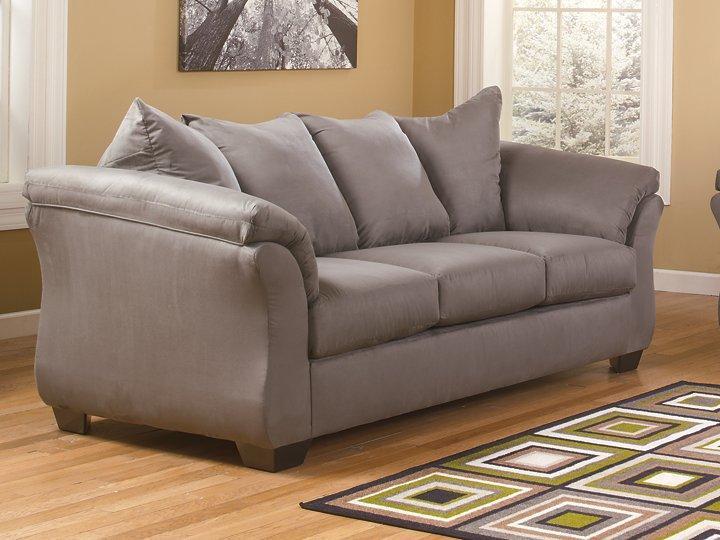
You walk into a living room, and something feels off. The furniture looks fine, the colors work, but the whole room just doesn’t sit right. Nine times out of ten, the problem isn’t the decor or the paint color, it’s the seating arrangement. Balanced seating is the invisible framework that makes a living space feel finished, welcoming, and ready for real life. Balanced seating is also a key element of home decor, contributing to both the function and visual appeal of your space.
So what exactly is balanced seating? In concrete terms, it means arranging your living room furniture so that visual weight, scale, and spacing work together around a focal point. The classic formula is one sofa paired with two chairs, positioned so conversation flows naturally within 8 to 10 feet, with your coffee table sitting about 18 inches from the front edge of your seating. This setup grounds the room without overwhelming it. There are many living room seating arrangements to consider, and each arrangement can dramatically impact the comfort, flow, and overall feel of the space.
This article breaks down why balance affects comfort, conversation, and style, then moves into a course of practical furniture layout ideas and creative ideas you can apply today. Whether you’re working with a smaller living room in a city apartment or a spacious great room in a newer home, these principles scale to fit. The goal is simple: help your living room finally feel complete. Balanced seating often involves floating furniture away from walls, which helps reduce the feeling of empty, wasted space.
The Psychology of a “Complete” Living Room
When you step into any room, your brain immediately starts processing symmetry, spacing, and visual weight. This happens in milliseconds, before you consciously register the furniture or wall color. A balanced seating arrangement satisfies this subconscious scanning, signaling that the space is organized, intentional, and safe to inhabit.
One of the biggest benefits of balanced seating is eliminating what designers sometimes call “where should I sit?” anxiety. When guests enter a living room with unclear seating zones, they hesitate. They hover awkwardly, unsure whether to perch on that ottoman or claim the single armchair. A well-balanced layout makes the primary seating zone obvious and welcoming, reducing social friction before a single word is spoken.
Eye-level balance also plays a major role in making a room feel finished. When the sofa height, chair backs, and art above the couch all align within a comfortable visual band, the space reads as calm and cohesive. Consider the difference: a 3-seat sofa flanked by two lounge chairs of similar height, with a centered coffee table, feels complete. Compare that to a single oversized sectional shoved against one wall with nothing to counterbalance it, the room feels lopsided, even if you can’t articulate why.
Balance doesn’t require perfect mirror-image symmetry. What it does require is even visual weight distributed left-to-right around your focal point. Two different accent chairs can work beautifully together if they share similar scale and presence. The human eye seeks closure in grouped elements, and a balanced arrangement delivers exactly that sense of resolution.
Fundamental Ratios: How Much Seating Is “Enough”?
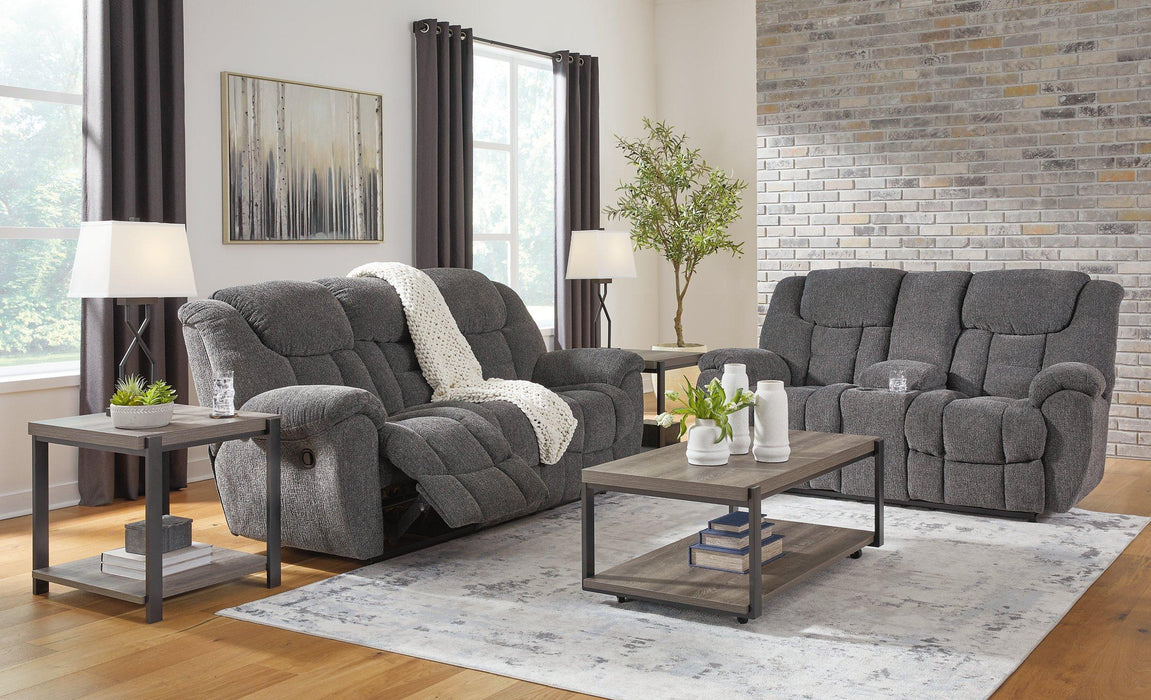
The two-to-one seating ratio has become a go-to formula for designers because it reliably creates visual and functional balance. One sofa plus two chairs distributes weight across the room without crowding it. The sofa provides an anchor, substantial enough to ground the space, while the pair of chairs counterbalances that mass without introducing bulk.
For a standard living room, this might translate to an 84-inch sofa paired with two armchairs in the 30 to 32-inch width range. In a smaller living room measuring around 12 by 14 feet, scale down to a 72-inch love seat with two slipper chairs. The key is maintaining proportion: the combined visual presence of your chairs should roughly match the weight of your sofa.
The 8 to 10-foot conversation distance matters more than most people realize. Position seating beyond that range, and guests end up raising their voices; too close, and the arrangement feels cramped. Pair this with the 18-inch coffee table rule, measure from the front edge of your sofa to the edge of your table, and you create a zone where people can sit comfortably, reach their drinks, and extend their legs without collision.
For small space living, the 60/40 rule offers practical guidance. Dedicate roughly 60 percent of your room’s footprint to the primary seating group and reserve 40 percent for circulation, side tables, and breathing room. In a 10-by-12-foot room, that means your seating arrangement occupies approximately a 6-by-10-foot zone, leaving clear paths around the perimeter.
A living room feels complete when every regular guest has a comfortable, full-depth seat, not just a perch on an ottoman or bench pulled in as an afterthought. Plan your seating for real use: enough room for four to six people to sit properly during conversation.
Balancing Around a Focal Point
A room feels complete when seating clearly orients around a focal point, often referred to as the 'head' of the room layout. This might be a fireplace, a large window with a view, your TV wall, or a statement piece of art. Without this anchor, furniture tends to drift into random positions, and the whole room loses its sense of purpose.
When your fireplace serves as the head or focal point, position your couch directly facing it. Place two low-profile chairs angled slightly inward on either side, creating a loose U-shape that draws the eye to the hearth while encouraging conversation. Low-profile chairs help maintain an open, spacious feel. Center your coffee table between the seats, and suddenly the arrangement has intention. Every piece knows its job. Swivel chairs or ottomans can also be used here to create a natural break in conversation clusters, allowing for flexible zones that adapt easily during gatherings. Arrangements like circular or U-shaped layouts naturally encourage eye contact and inclusive dialogue.
TV walls present their own challenge. A sectional opposite the screen works well, but adding a pair of chairs that partially face both the TV and the sofa prevents the room from feeling like a home theater. Angle at least one pair of seats toward each other instead of pointing everything straight at the screen. This small adjustment keeps conversation possible even when the TV is on.
Large windows deserve similar consideration. Flank the window with two chairs to frame the view, then position your sofa perpendicular to capture both the natural light and the conversation zone. This layout works especially well in rooms where you want to reflect light deeper into the space while maintaining a cozy seating island.
Rug placement reinforces balanced seating. Keep all front legs of your seating on the rug to visually link the group. This simple move unifies disparate pieces and signals that they belong together as a single, intentional arrangement.

Classic Balanced Layouts That Always Work
Some furniture arrangement configurations succeed across nearly every room shape and style. Think of these as no-fail starting points you can adapt to your specific space.
The Sofa with Two Matching Chairs layout remains the gold standard for traditional spaces. An 84-inch sofa anchors the arrangement, with two matching chairs positioned across from it or angled at the corners. This works beautifully in rooms around 13 by 16 feet, especially those with a fireplace as the focal point. Maintain 8 to 10 feet between the sofa and chairs, center a 48-inch coffee table between them, and add a side table between the chairs if you have 42 inches to spare.
The Sofa and Two Chairs Facing Each Other layout suits rooms with multiple openings or dual focal points. Place your sofa along one wall, then position two chairs directly opposite, creating a natural conversation corridor. This arrangement excels in rectangular rooms where you need to balance a window view on one end with a TV or fireplace on the other.
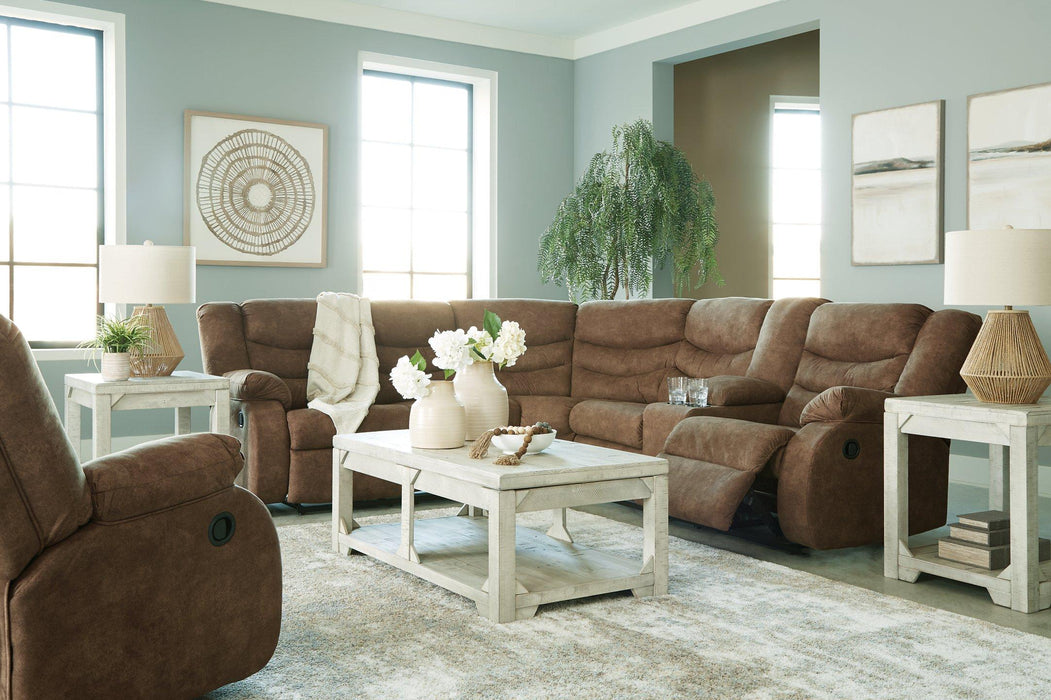
For open-plan living, the Sectional with a Pair of Chairs layout delivers both comfort and balance. Position your L-shaped sectional so the chaise extends into the room, then place two accent chairs opposite the open side. The chairs provide visual weight to counterbalance the sectional’s mass, and they offer flexible seating for guests who prefer a chair to a sprawling sofa.
The Two Floating Sofas arrangement works in larger living rooms where furniture can live away from the walls. Place two sofas facing each other with a substantial coffee table, 54 to 60 inches long, between them. This creates a defined seating island in an open floor plan, signaling that this zone is for conversation, even in a room that flows into the kitchen or dining area.
For each layout, consider your side table needs carefully. Add them where they serve a function, next to chairs that lack a nearby surface, but skip them where they would create clutter. A living room feels complete when every piece earns its place.
Visual Weight, Textiles, and Symmetry: Fine-Tuning the Balance
Even with the right pieces in the right positions, color, texture, and visual weight determine whether a room feels truly finished. Visual weight refers to how heavy or light an object appears, regardless of its actual mass. Dark colors, dense materials, and solid forms read as heavier; light colors, open frames, and delicate textures read as lighter.
Consider two dark leather chairs positioned opposite a pale fabric sofa. The chairs carry significant visual weight, which can throw off balance if nothing on the sofa side responds. Counter this by adding a dark wood side table, a substantial floor lamp, or a large plant near the sofa. The goal is to even out the visual mass across the room.
Color and material balance extend this principle. Darker items feel heavier than light ones, so balance a charcoal chair with a dark side table or weighted floor lamp on the opposite side. Mix soft textiles like linen, bouclé, or cotton with smoother elements like leather or metal to create textural variety without making everything feel either too plush or too rigid.
Symmetry comes in degrees. Perfect symmetry means matching chairs, matching side tables, and matching lamps flanking a sofa, a classic approach that works well in formal or traditional living rooms. Soft symmetry offers more flexibility: two different chairs with similar scale and color, or a bench on one side balanced by a large floor lamp and woven basket on the other.
When your room still feels off balance after positioning furniture, quick fixes can help. Add a tall floor lamp to the visually lighter side. Place a large potted plant in an empty corner. Stack books on a side table or add throw pillows in a heavier fabric to the sofa. These adjustments add warmth and weight without requiring new furniture purchases.
The modern approach to balance embraces deliberate asymmetry, a bouclé sofa against structured leather chairs, for example, but still maintains overall equilibrium through careful attention to scale and distribution.
Small Living Rooms: Achieving Balance Without Bulk
Working with a smaller living room, typically in the 10 by 10 to 11 by 13-foot range, means adapting balance principles rather than abandoning them. The challenge is fitting enough seating for real use without sacrificing flow.
Start with downsized but full-depth seating. A 60 to 72-inch love seat delivers actual comfort, and people can lean back properly while occupying less floor space than a standard sofa. Pair it with one accent chair plus an upholstered ottoman that can serve as extra seating when guests arrive.
Floating furniture works even in small spaces. Pull your love seat or compact couch 6 to 8 inches off the wall to leave space for a slim floor lamp or narrow console behind it. This creates visual breathing room and makes the seating group feel intentional rather than pushed into corners.
Apply the 60/40 rule concretely. In a 10-by-12-foot room, your primary seating group should occupy roughly a 6-by-10-foot zone, leaving the remaining space as open circulation. This prevents the cramped showroom feel that plagues small rooms stuffed with oversized furniture.
Look for visually light pieces that still count as real seats. Armless slipper chairs take up less visual space than traditional armchairs. Open-base chairs with exposed legs feel airier than fully upholstered club chairs. Stools or poufs that tuck under a console when not in use provide flexible seating without permanent floor claims.
A well-balanced small living room proves that square footage matters less than proportion and placement. Every piece should earn its spot.
Flexible Extras: Stools, Ottomans, and Swivel Chairs
Secondary seating pieces complete a living room by adding flexibility without overwhelming the primary layout. The right extras allow your space to adapt, handling Tuesday night with two people as gracefully as Saturday gathering with eight.
Stools offer portable seating that can disappear when not needed. Two low wooden or upholstered stools near the coffee table provide extra seats for guests, then tuck against a wall or under a console when the room returns to daily use. Look for stools that match the style of your primary seating, echoing a wood tone or fabric color, so they feel intentional rather than random additions.
Ottomans pull double duty as both seating and surface. A 30 to 36-inch round ottoman can replace a traditional coffee table while offering an extra seat for casual gatherings. Add a tray for drinks and remotes, and the piece serves multiple functions. Choose an ottoman that complements your sofa’s fabric or color to maintain visual cohesion across the seating group.
Swivel chairs represent a designer's favorite for rooms that need flexibility. Place one or two at the edges of your seating arrangement, where they can pivot between TV viewing, conversation, and window views. This adaptability prevents the room from locking into a single-purpose layout while maintaining balanced seating overall.
These pieces fill visual gaps effectively. A stool under a window adds weight to an empty corner. An ottoman centered in front of a fireplace grounds the seating group. Swivel chairs at the perimeter create balance without blocking pathways. Keep finishes coordinated, and these extras enhance rather than clutter the room.
Arranging for Flow: Pathways, Doorways, and Comfort
A living room only feels complete if people can walk through it comfortably without squeezing between furniture or interrupting conversations. Flow matters as much as balance, possibly more, since poor circulation undermines even the most beautiful arrangement.
Specific clearance guidelines keep traffic moving. Aim for 30 to 36-inch pathways behind or beside seating for main routes through the room. Keep at least 3 feet clear around doorways so entries don’t feel blocked. Avoid placing the backs of chairs directly against natural pathways; if someone needs to walk past constantly, they’ll bump chairs and disrupt people sitting in them.
Group seating in a U or L formation rather than pushing everything against the walls. This creates a defined seating island with clear circulation around the perimeter. In rectangular rooms around 12 by 18 feet, this approach works especially well; the furniture arrangement occupies the center while pathways flow along the edges.
Consider a room with two doors opposite each other, a common layout in older homes. Float the sofa in the center with chairs angled off the corners, creating a clear lane from door to door. The seating group becomes an island, unified by a rug, while guests can walk through without stepping over anyone’s feet. This layout preserves both balance and practical flow.
Apartment Therapy often emphasizes that a room should feel good to move through, not just to sit in. Test your arrangement by walking every path you’d normally take, from the hall to the kitchen, from the couch to the window. If you’re turning sideways or stepping carefully, something needs to shift.
Decorating the Space: Accessories, Art, and the Finishing Touches
Once your living room seating arrangement is balanced and your furniture layout feels just right, it’s the accessories, art, and finishing touches that truly bring the space to life. These elements add warmth, personality, and a sense of style that transforms a functional room into a welcoming retreat.
Start by considering your focal point, whether it’s a bold piece of art, a colorful rug, or a striking coffee table. These anchor pieces draw the eye and help create a sense of flow throughout the room. In a smaller living room, a single statement piece can make the space feel curated without overwhelming it, while in larger rooms, a gallery wall or oversized artwork above the sofa can add drama and balance.
Textiles are your secret weapon for adding coziness and visual interest. Layer throw pillows and blankets in complementary colors and patterns on your sofa and accent chairs to add warmth and invite guests to relax. A pair of matching chairs, such as swivel chairs, can be styled with coordinating throws to create a cohesive and inviting seating arrangement. Just remember to leave enough room between pieces; using a measuring tape can help ensure you maintain that essential breathing room for easy movement and conversation.
Lighting is another key element in a well-designed living room layout. Table lamps and floor lamps not only provide practical illumination for reading or chatting but also add ambiance and highlight your decor. Place a side table next to a chair or sofa to display decorative objects like vases, books, or sculptures, giving the room layers of interest without cluttering the space.
When it comes to art, don’t be afraid to go bold. Hang a statement piece above your sofa or create a gallery wall to add personality and depth to a large wall. Rugs can also play a starring role; choose one that complements your seating arrangement and ties the whole room together, both visually and underfoot.
Above all, aim for balance and harmony. A designer agrees that a well-thought-out living room layout should feel visually even, with accessories and decor arranged to support the flow of conversation and movement. Whether you’re working with a small space or a more expansive room, the right finishing touches, thoughtfully placed and carefully chosen, will make your living room feel cozy, relaxed, and uniquely yours. By blending style, comfort, and function, you’ll create a space where guests feel instantly at home and every moment feels just right.
Step-by-Step: How to Balance Your Seating Today
Transforming your current living room layout doesn’t require new furniture, just intentional repositioning. Grab a measuring tape and work through these steps to create balanced seating with what you already have.
Step 1 involves identifying your focal point. Look for the dominant architectural feature: a fireplace, large window, TV wall, or gallery of art. Commit to this anchor before moving anything else. Every other decision flows from this choice.
Step 2 means placing your largest piece first. Position your sofa or sectional centered on that focal point. If the fireplace sits at one end of the room, the sofa faces it directly. If the TV occupies the main wall, the seating orients toward it. This primary piece establishes the arrangement’s axis.
Step 3 brings in your secondary seats. Add two chairs or a loveseat to complete a U or L shape, keeping all seating within 8 to 10 feet of each other. Angle chairs slightly inward toward the sofa to encourage conversation rather than creating a rigid, formal row.
Step 4 positions your coffee table. Measure 14 to 18 inches from the front edge of your sofa and place the table there. Center it within the seating group so everyone can reach it comfortably. If you’re using an ottoman instead, the same spacing applies.
Step 5 evaluates visual weight. Stand at the room’s entrance and scan left to right. If one side feels heavier, darker furniture, more mass, denser grouping, add a floor lamp, tall plant, or side table to the lighter side until the room feels even. Adjust throw pillows or a throw blanket to add warmth and weight where needed.
After completing these steps, sit in each seat and test the result. Can you see the focal point? Reach the table? Have a conversation without shouting? Make small adjustments until every position feels right. Then step back and notice how the whole room has changed.
Conclusion: The Subtle Shift That Changes Everything
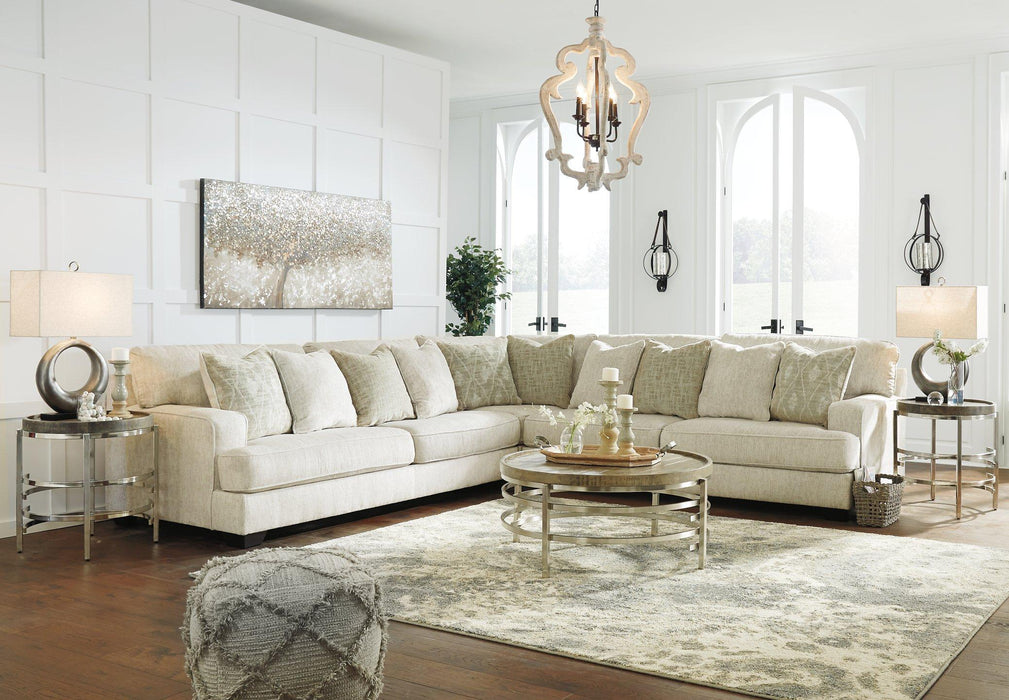
A living room feels complete not because of any single statement piece, but because the seats are balanced in number, placement, and visual weight. When every element works together, the sofa anchoring the space, chairs providing counterbalance, and the coffee table bridging the gap, the room achieves a sense of resolution that visitors feel immediately, even if they can’t name it.
Balanced seating supports everything people actually use the room for: conversation with guests, reading on a quiet evening, watching TV, or simply sitting with coffee and morning light. The arrangement serves real life rather than just looking good in photos.
Start with your current furniture as the building blocks. Rearrange into the classic sofa plus two chairs formation, or pair your sectional with matching chairs, before considering any new purchases. Often, the pieces you already own just need better positioning.
Small shifts create a surprising impact. Move that chair from the corner to the conversation zone. Adjust your coffee table to the 18-inch sweet spot. Add one extra seat to balance the empty side of the room. These simple changes can make your living room finally feel done, cozy, functional, and genuinely complete.
Get Your Living Room Furniture at Great Lakes Furnishings Today
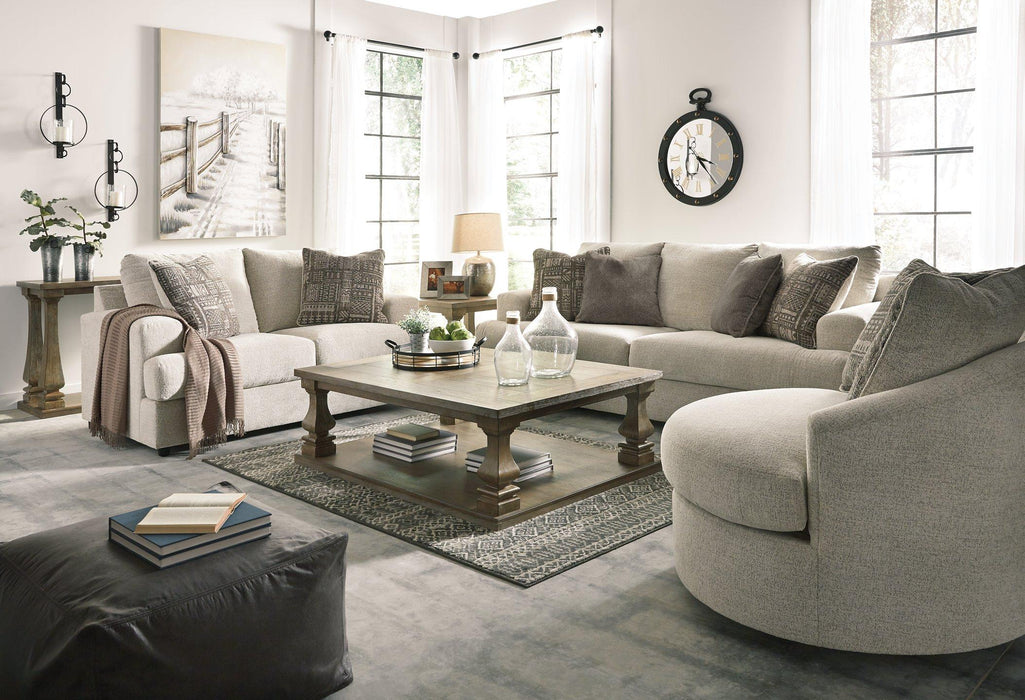
Your living room should be a comfortable and inviting space for everyday living and gatherings. At Great Lakes Furnishings, our living room furniture collection includes sofas, sectionals, chairs, and accent pieces designed to fit your space and lifestyle. Each piece is selected for comfort, durability, and lasting quality to help you create a welcoming living area.
Explore our living room furniture selection today and find the perfect pieces for your home. Whether you’re updating a single item or furnishing the entire room, Great Lakes Furnishings offers options that combine style, practicality, and everyday comfort.