
How to Choose Bedroom Furniture for Different Life Stages
Key Takeaways
-
Your bedroom furniture needs shift dramatically from student years through retirement. A bed frame serves as the foundation for a good night's sleep at every stage, so start there and layer in storage and decor over time.
-
Transitional bedroom furniture accounted for 35.69% of the global furniture market in 2024, proving that pieces designed to accommodate different life stages offer real longevity. Design furniture choices around flexibility, not trends.
-
A consistent color palette built on 2–3 wood tones creates a harmonious look even as you swap individual pieces across decades and homes.
-
Convertible furniture can transition through life stages, and multi-purpose furniture maximizes space in smaller bedrooms. Prioritize modular wardrobes, storage beds, and adaptable nightstands that move with your lifestyle.
-
The sections below give concrete suggestions for students, young professionals, couples, families, and older adults downsizing - scan to your current reality or plan ahead.
Introduction: Why Bedroom Furniture Choices Should Change With You
Your bedroom is often the one constant space in a life full of change - starting college, moving in with a partner, raising kids, and eventually downsizing. Yet most people buy bedroom furniture reactively, grabbing whatever is available rather than thinking about what actually fits their current stage. A comfortable bed frame is essential for restful sleep, and everything around it - nightstands, dressers, wardrobes, seating, lighting, and accent pieces - should reflect where you are right now while leaving room for where you're headed. This article walks through five life stages so you can jump directly to your situation.
Three principles guide every section: scale (room size versus furniture size), storage needs, and personal preferences in style.
Life Stage 1: Student and First-Apartment Bedrooms (Late Teens to Mid-20s)
The constraints here are real: small rooms, tight budgets, frequent moves, and a space that doubles as an office, closet, and hangout spot. Multi-purpose furniture maximizes space in smaller bedrooms, so lean into that idea from day one.
Bed frame: A twin or full-size platform bed with built-in drawers saves floor space. Choose a lightweight metal or simple wood frame you can disassemble in under 30 minutes. Skip the headboard for now - or pick one that mounts to the wall.
Key pieces to prioritize:
-
A desk that doubles as a vanity
-
A single nightstand with open shelves instead of drawers
-
Under-bed storage boxes or risers for off-season clothes and linens
Keep your color palette to 1–2 neutral tones (white, light oak, black) and add fun accent colors through bedding and wall art. Engineered wood and laminate finishes work fine at this stage. Vintage furniture adds character and warmth to modern decor, so check Facebook Marketplace or second-hand shops for solid wood finds you can refinish as your skills grow.
Life Stage 2: Young Professionals and Renters (Mid-20s to Early 30s)
Longer leases, slightly bigger budgets, and the desire for a more "adult" aesthetic change the equation. You're no longer just putting a room together - you're creating one that reflects your style.
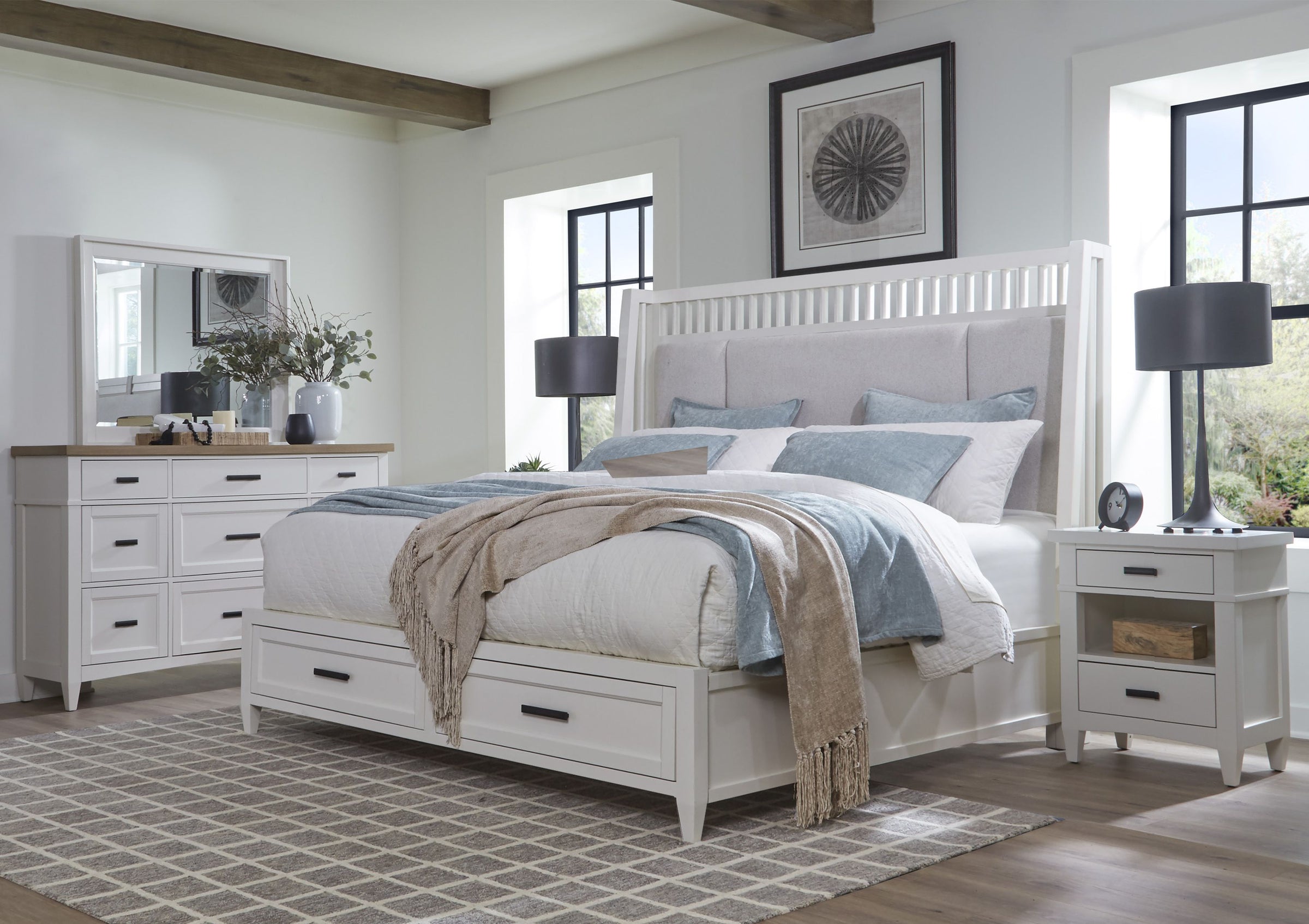
Upgrade your bed frame to a sturdy wood or upholstered queen-size frame with a timeless headboard. Quality bed frames provide essential structural support for mattresses, and this is the stage where investing pays off. Nightstands provide convenience for essentials like lamps and books, so add a matching or coordinating pair for balance.
Storage decisions:
-
Tall chest of drawers for narrow rooms; wide dresser for larger rooms
-
A freestanding armoire if closets are small
-
Dressers help maintain a clutter-free bedroom with ample storage for everyday clothes
Limit wood tones to 2–3 in the room. Avoid overly orange or red finishes unless they're an intentional focal piece. Build an intentional color palette - warm wood tones with soft greens and creams, for example - to unify newly purchased and older items. The right lighting, such as bedside lamps with fabric shades, sets the ambiance without overwhelming the space.
Life Stage 3: Cohabiting and Shared Bedrooms for Couples
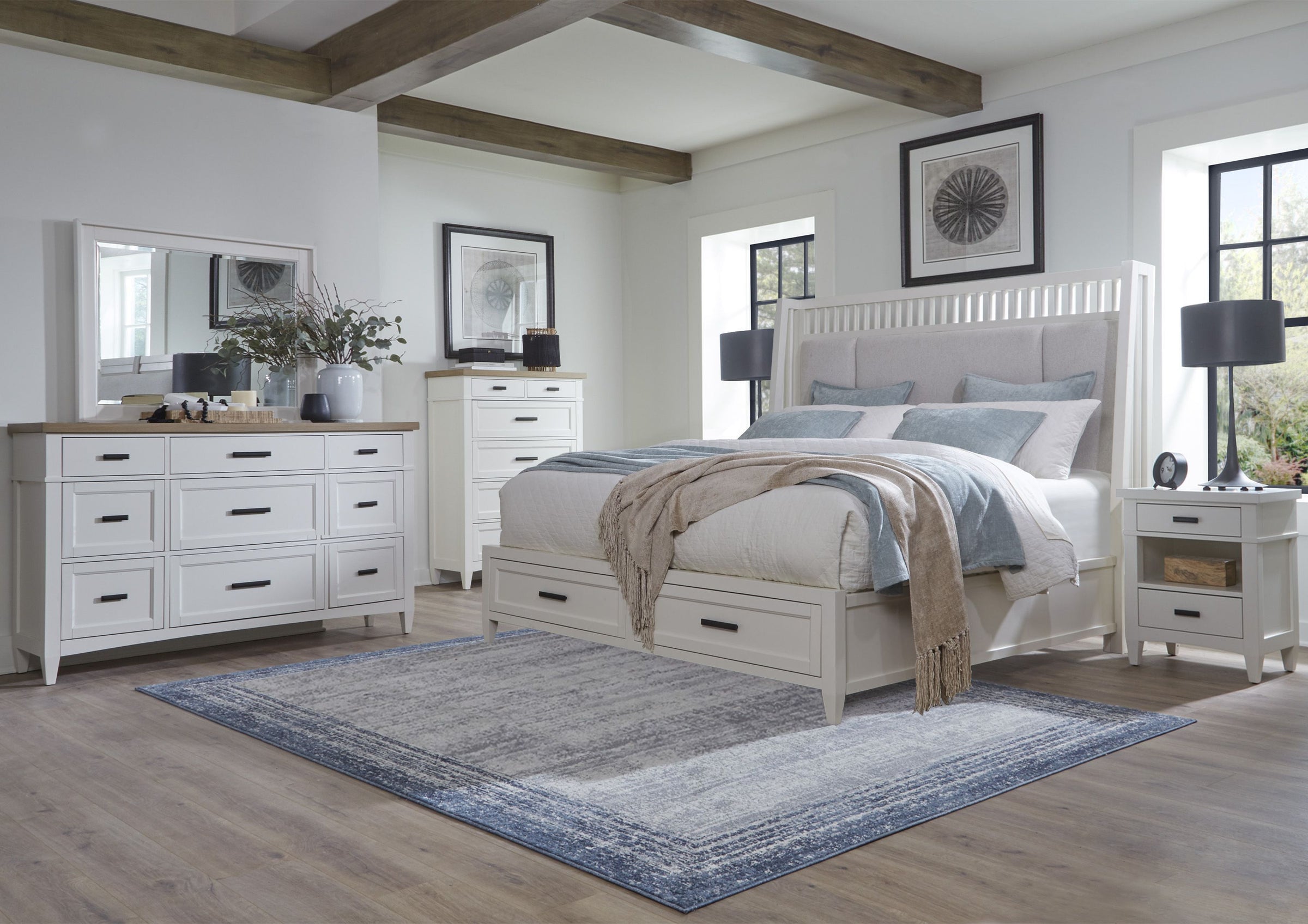
Merging two people's belongings and aesthetic preferences into one room is where things get interesting. Transitional furniture bridges contemporary and traditional aesthetics, making it easier for couples with different tastes to find common ground. Transitional bed frames adapt to evolving design preferences over time, so neither partner feels locked into a style that doesn't fit anymore.
Bed frame: Upgrade to a queen or king with solid center support and a classic silhouette both partners like - whether modern, transitional, or traditional styles.
Blending existing furniture:
-
Avoid matching bedroom sets to create a curated look; instead, coordinate hardware finishes across mismatched nightstands
-
Mixing wood tones looks good with no more than three tones
-
Repaint one prominent piece to complement the rest
Wardrobes offer organized storage for hanging clothes and accessories, so consider a shared wardrobe with configurable interiors. Larger dressers and under-bed storage handle off-season blankets and pillows. Ensure enough circulation space - at least 24–30 inches - on both sides of the bed so each partner has bedside access.
Create a shared color palette by choosing one neutral base and 2–3 accent colors. Transitional furniture allows layering of contemporary and traditional elements, which keeps the room from feeling like a showroom. A cohesive bedroom can feature different wood tones and finishes when textiles tie everything together.
Life Stage 4: Growing Families and Multi-Purpose Bedrooms
The reality of parenthood means one partner is up at night, kids occasionally end up in your bed, and storage needs for linens, toys, and accessories multiply fast.
Choose durable, solid wood bed frames with rounded corners and easy-to-clean upholstery. A storage bench at the foot of the bed pulls double duty for seating and holding extra blankets. Larger dressers with deep drawers keep the room functional despite the clutter.
Safety essentials:
-
Anchor tall dressers and wardrobes to the wall - approximately 11,000 U.S. children visit the ER annually due to furniture tip-overs
-
Choose sturdy hardware over decorative glass
-
The STURDY Act now requires clothing storage furniture to meet higher stability tests
Maintain a calm color palette with neutral tones for main furniture and soft blues, greens, or warm earth tones in decor. Pick flexible pieces - a simple wood dresser or frame that can later be moved to a guest room or kid's room without looking out of place.
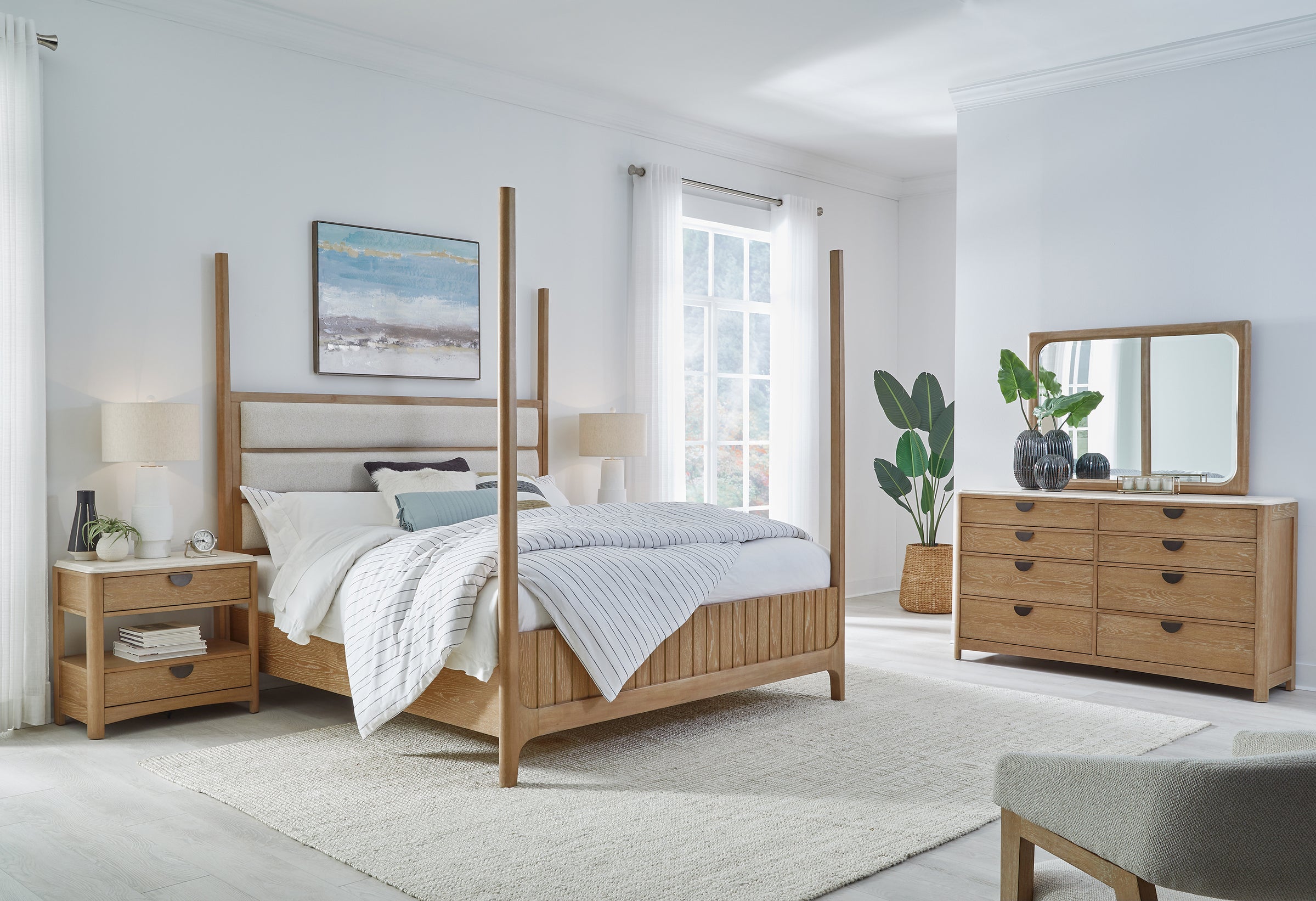
Life Stage 5: Empty Nest and Downsizing Bedrooms
Once children move out, you don't need all that storage anymore. The priority shifts to comfort, accessibility, and low-maintenance living. This is where quality over quantity becomes the guiding principle.
Consider downsizing from a king to a queen if the room is smaller, but upgrade the mattress and support. Bed height for older adults should be about 20–26 inches from the floor to the mattress top for safe transfers.
Streamlined essentials:
-
One spacious dresser instead of multiple storage pieces
-
Two sturdy bedside tables with easy-to-reach drawers
-
A comfortable small chair or reading nook with a good lamp for rest and relaxation
-
Decorative mirrors add depth and light to the bedroom space
Calming, mature color palettes - soft neutrals, gentle blues, muted greens - reduce visual clutter. Layering traditional and contemporary elements creates dynamic spaces that feel collected rather than staged. Using vintage furniture adds character and warmth to bedrooms at this stage.
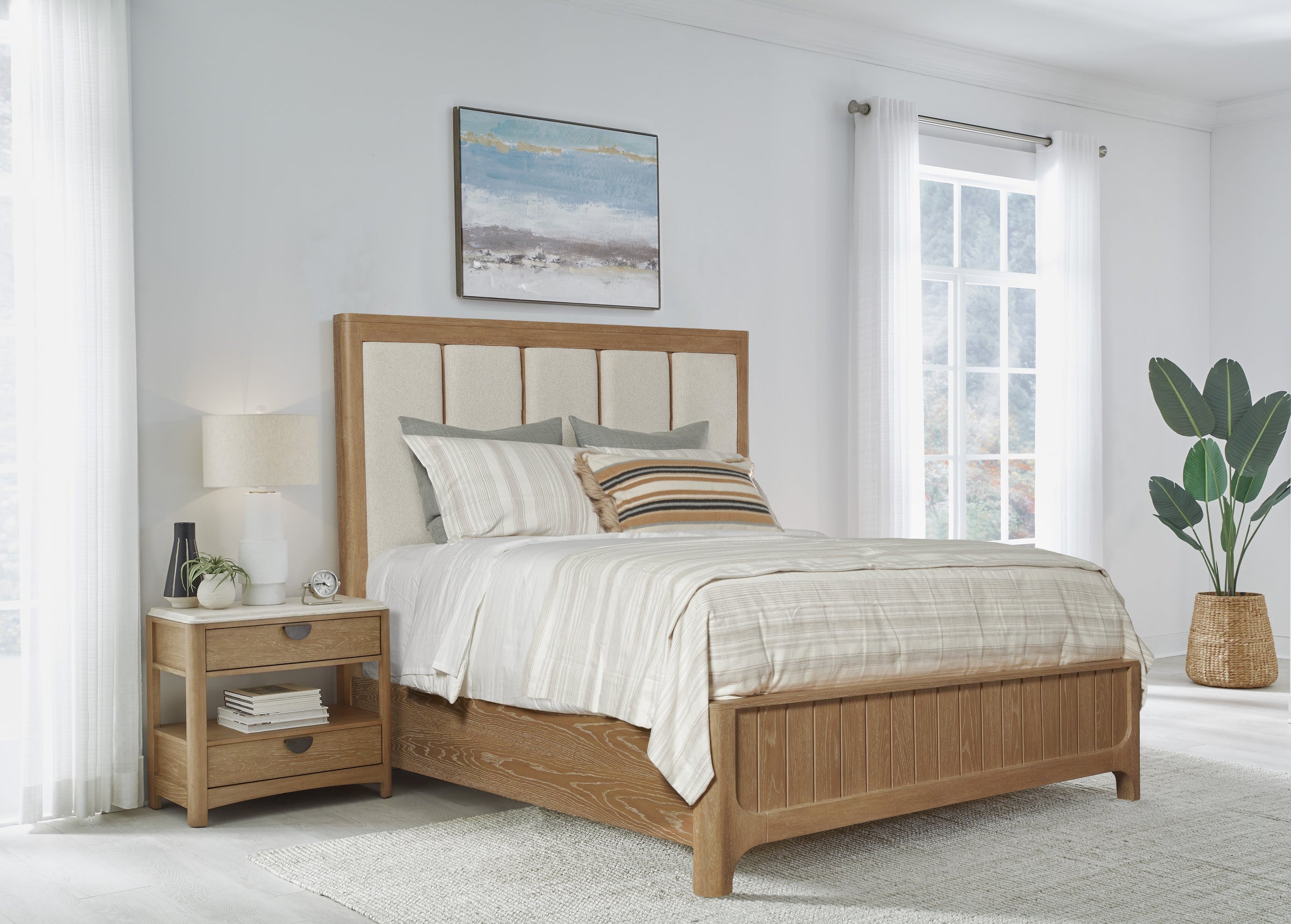
Design Foundations: Scale, Layout, and Storage for Any Life Stage
These principles apply whether you are 18 or 80. Select furniture size appropriate to the room dimensions for comfort. Adequate space for walkways should be 30–36 inches around the bed and in front of drawers.
Layout quick reference:
|
Bed Size |
Minimum Room Size |
Notes |
|---|---|---|
|
Twin |
~7 × 9 ft |
Ideal for students |
|
Full |
~9 × 10 ft |
Solo adults, tight rooms |
|
Queen |
~10 × 10 ft |
Most common adult choice |
|
King |
~12 × 12 ft |
Needs clearance on 3 sides |
Place the bed opposite the door or centered on the main wall. Avoid blocking windows or wardrobe doors. Separate everyday storage (nightstands, top dresser drawers) from long-term storage (under-bed bins, high shelves). Thoughtful layout prevents visual weight from making the room feel cramped.
Creating a Cohesive Look: Color Palette and Wood Tones
A simple, intentional color palette is the easiest way to make mixed bedroom furniture look coordinated. Follow this approach:
-
Choose 1 main neutral (white, cream, gray, or beige)
-
Add 1 secondary neutral (black, charcoal, or deep brown)
-
Layer in 1–2 accent colors through textiles and art
Wood tones fall into a range: light (oak, ash, maple), mid (walnut, teak), and dark (espresso, mahogany). Limit to three in one room. Repeat at least one element - wood tone, hardware finish, or fabric color - in three different places to create a harmonious look.
Accent pieces add color and texture to bedrooms, while coordinated accent pieces create a harmonious bedroom environment. Accent pieces enhance comfort and provide visual interest - think throws, cushions, lampshades, and artwork. Layering traditional and contemporary elements creates visual interest that keeps the room from falling flat. Over 31% of designers plan to use organic modernism elements, blending natural textures with clean lines for an amazing, lived-in feel.
Repainting or refinishing a single prominent piece like a dresser can instantly unify an otherwise mismatched room. Decorate with intention, not volume.
Material and Quality Choices: Buying Once, Using for Decades
Some bedroom furniture can follow you from your first apartment to your guest room in retirement if you choose well. Solid wood furniture is durable and can be refinished, with hardwood frames lasting 25–60+ years versus 5–10 years for budget engineered alternatives. Durable bed frames can last for many years with proper care.
Quality checks before shopping:
-
Dovetail or mortise-and-tenon joints over staples or glue
-
Ball-bearing drawer glides instead of cheap rollers
-
Center support legs on queen and king frames
-
Wobble-free construction when you push on corners
Invest more in your bed frame and daily-use dresser. Budget pieces are fine for temporary desks or a decorative bench. Regular maintenance extends furniture lifespan - use felt pads under legs, tighten hardware periodically, and refinish worn wood instead of discarding it.
Planning Ahead: How to Future-Proof Your Bedroom Furniture
Future-proofing means making choices now that still work if you move to a new house, add a partner, or downsize. Modular storage adapts to changing needs and spaces - choose bedroom sets where nightstands, dressers, and bed frames can be used independently.
Selecting timeless shapes allows for long-term furniture use. Transitional furniture adapts to evolving personal preferences over time, making it a smarter investment than anything too trendy. Neutral colors and simple designs prevent furniture from becoming outdated.
Pair neutral base furniture with easily changeable textiles and decor to refresh the bedroom without replacing main pieces. Keep a simple inventory of your furniture measurements and finishes - a few photos on your phone make planning your next room layout surprisingly easy.
FAQ
These questions cover practical issues that come up during real-world shopping and bedroom planning.
How often should I replace my bed frame and other bedroom furniture?
A quality solid-wood bed frame and dresser can last 15–25 years or more with proper care. Engineered wood or budget pieces may need replacement every 5–10 years. Signs it's time: persistent squeaks after tightening, visible warping, drawers that won't open smoothly, or instability. Before discarding, consider moving older but sturdy pieces to guest rooms.
Do all my bedroom furniture pieces need to match exactly?
No. A harmonious look comes from coordinating wood tones, hardware finishes, and your overall color palette - not from buying a matching set. Keep nightstands similar in height and visual weight, even if they aren't identical. Treat the bed frame as the "anchor" piece and match other items to its style and finish.
What is the best bed size for a small bedroom?
A twin or full for very tight rooms, a queen for typical small-to-medium rooms, and a king only when there is at least 24–30 inches of clearance on all accessible sides. Always measure and sketch a quick floor plan before committing. In student or first-apartment stages, a slightly smaller bed often creates a more comfortable, usable space overall.
How can I refresh my bedroom style without buying all-new furniture?
Change your color palette through new bedding, curtains, rugs, and a few accent decor pieces. Swap hardware on nightstands and dressers, repaint a single piece, or add a new headboard to an existing frame. Decluttering and rethinking layout are low-cost ways to make the room feel entirely new.
Is it better to buy a full bedroom set or individual pieces?
Sets offer instant coordination and sometimes lower bundle pricing. Individual pieces give you more flexibility when moving, easier mixing of wood tones and contemporary or classic styles, and the ability to upgrade gradually. Younger renters and frequent movers typically benefit from flexible individual pieces, while those settled in a long-term home might appreciate the cohesion of a set.
Discover Bedroom Furniture at Great Lakes Furnishings
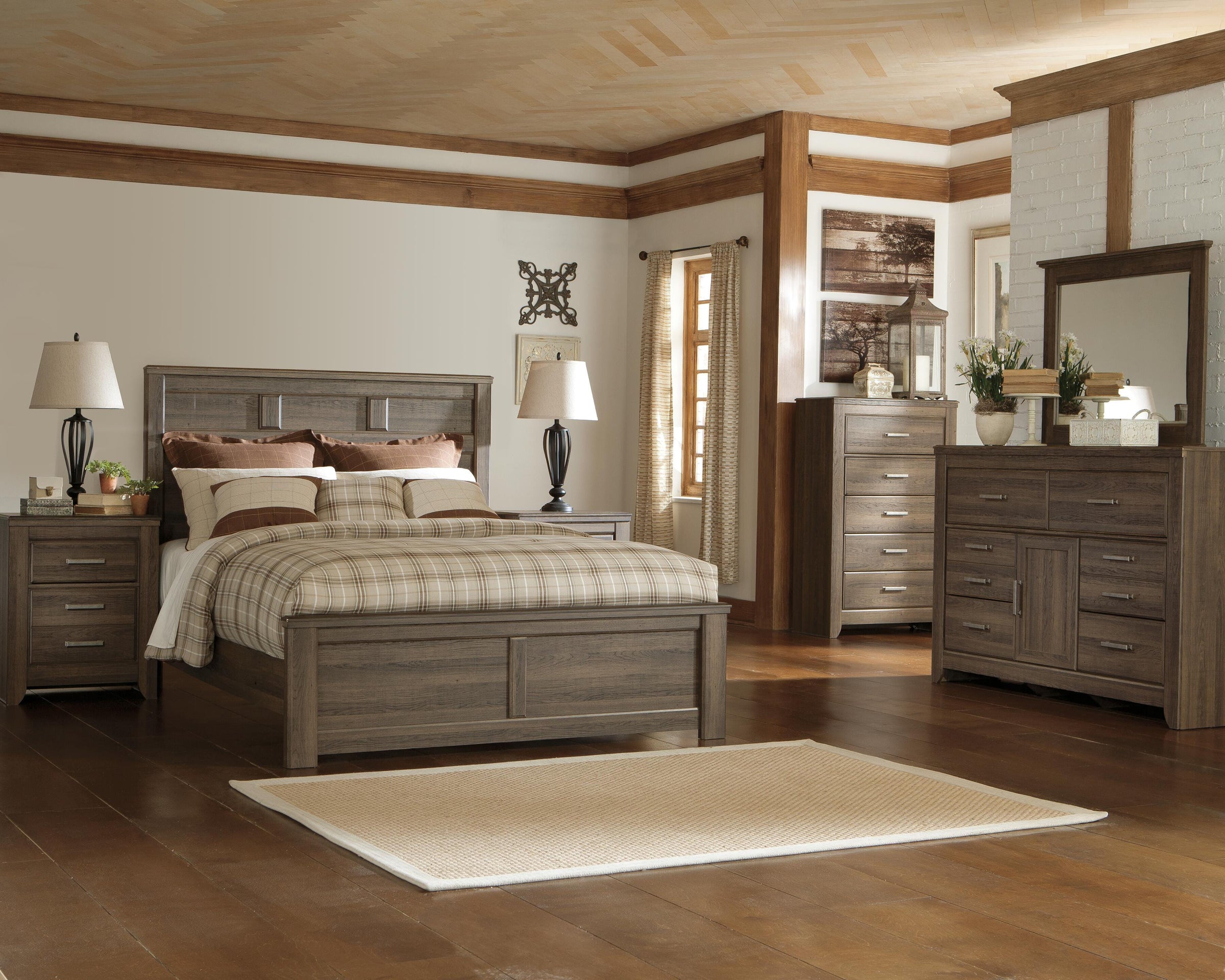
Refresh your bedroom with Bedroom Furniture at Great Lakes Furnishings, where quality craftsmanship meets everyday comfort. From stylish bed frames and spacious dressers to functional nightstands and complete bedroom sets, our collection offers everything you need to create a relaxing and organized space.
Visit Great Lakes Furnishings today to browse our Bedroom Furniture selection and find pieces that fit your home, style, and budget. Our friendly team is ready to help you choose furnishings that provide lasting comfort, practical storage, and timeless design for years to come.