
Why Bedroom Layout Affects Room Functionality (and Your Sleep)
Key Takeaways
-
Your bedroom layout shapes how well you sleep, move, dress, store belongings, and reset every single night.
-
Bed placement and bed position, including the commanding position from feng shui, can improve comfort, perceived safety, and sleep quality.
-
Smart bedroom layout ideas maximize natural light, floor space, storage, and clear pathways, making even tight spaces more functional.
-
Bedroom design choices such as color, lighting, zoning, and clutter control can support better sleep or keep your brain alert.
-
You can apply these layout ideas today with strategic furniture placement, better lighting, and fewer obstacles-no major renovation required.
How Bedroom Layout Shapes Daily Functionality
Bedroom layout is more than aesthetics. A bedroom's layout directly impacts sleep quality, daily movement, and emotional well-being, because the room has to support bedtime, dressing, storage, relaxation, and sometimes a workspace.
-
The arrangement of furniture dictates traffic flow and overall room functionality. If a dresser blocks movement, it creates frustration, and the room feels harder to use.
-
Poor furniture placement forces awkward squeezing around the bed frame, bumping into corners, or stepping over personal items.
-
A functional layout aligns the bed, wardrobe, window, bathroom door, and main door so routines feel simple.
-
The same room can feel cramped or open depending on sightlines, scale, and whether any piece is the wrong size.
-
Studies show that the shape of your room can affect your mood and sleep quality, with rectangular rooms often leading to more negative emotions compared to curved spaces.
-
Leave a 36-inch swing radius for closet and entryway doors to open fully.
How Bedroom Layout Affects Sleep Quality
Bedroom layout affects sleep because it controls light exposure, noise, airflow, temperature, and how safe you feel at night. Research on home bedrooms has linked higher noise, heat, CO₂, and fine particles with lower sleep efficiency, showing why layout decisions play a vital role in rest and well-being.
Bedrooms used for too many functions can weaken the mental link between bed and sleep. If your bed faces electronic devices, work papers, or a TV, your brain may stay in task mode, making it harder to fall asleep and stay asleep. Keeping workspaces out of the direct sightline from the bed helps with mental relaxation.
Clutter, blocked paths, and harsh lighting can raise stress before bedtime and contribute to poor sleep. Clear pathways and proper lamp placement in a bedroom can help create a calm environment, making it easier for the body to relax and fall asleep. A calmer, less stimulating setup supports a restful night's sleep by keeping the bed away from blue light, heavy screen time, noisy circulation zones, and bright windows.
Maintaining a bedroom temperature between 15.5-21°C (60-70°F) is recommended to support better sleep quality. When asking “Does bedroom affect sleep?” the answer is yes: bed placement affects psychological comfort and environmental exposure.
Bed Placement: The Heart of Bedroom Functionality
The bed is the visual anchor and the most-used piece of furniture in the bedroom. That is why bed placement often decides whether the space feels calm, crowded, or practical.
Positioning the bed in the center of the room with at least 30 inches of clearance on both sides creates visual balance and ensures easy movement, which is essential for a restful environment. At a minimum, maintaining at least 24 inches of walking space around the bed promotes comfort and accessibility. Leaving space on both sides of the bed allows for easy movement and makes the room feel open and comfortable, which can help the mind settle and prepare for sleep.
Place the bed against the main solid wall when possible. Positioning the bed against a solid wall creates a subconscious sense of security, and a stable headboard strengthens that feeling. Placing your bed against the most soundproof wall in the room enhances sleep quality by minimizing noise disturbances, following feng shui principles.
Avoid placing the bed directly under a window if it causes drafts, dawn light, or noise. Positioning the bed on an east-facing wall helps you wake up with the sun, while other orientations can minimize direct light exposure. In narrow rooms or sloped ceilings, placing the bed along the long wall may free central floor space.
Feng Shui, Commanding Position, and Psychological Comfort
Feng shui ideas, such as the commanding position, overlap with modern psychology: people relax more when they can see entry points without feeling exposed. The commanding position means the bed position lets you see the door while lying down, avoids direct alignment with the doorway, and ideally has a solid wall behind the headboard.
Avoid placing your bed directly opposite the door with your feet facing the doorway, as this disrupts energy flow and can negatively impact sleep quality. This “feet to the door” layout can create too much energy and a sense of vulnerability at night.
You do not need to follow every feng shui rule. Prioritize bed placement that balances safety, natural light, sound control, and circulation. Natural elements, soft textures, and calm personal touches matter more than rigid rules.
Natural Light, Artificial Lighting, and Room Function
The bedroom layout determines how natural light reaches the bed, seating, wardrobe, and desk throughout the day. Put a vanity, desk, or comfortable reading nook near windows, but avoid placing the pillow directly against large windows when possible.
Blackout curtains or layered window treatments let you enjoy a bright room by day and a dark room at night, supporting melatonin production and natural circadian rhythms. Aligning mirrors with windows can enhance natural light in the room, making it feel larger.
Plan lighting around activities: bedside lamps for reading, wall sconces for tight spaces, and warm dimmable bulbs for evening. Overly bright overhead lighting above the bed can increase alertness. Soft neutrals, blues, and greens calm the nervous system and signal that it's time to wind down, and they may also help lower heart rate in the evening, while bright or bold colors can keep your mind alert when you want it to rest.
One color survey found that people who sleep in blue bedrooms get almost 8 hours of sleep, while those in purple rooms barely manage 6 hours. Nature-inspired green brings tranquility and peace to your space, making it a favorable choice for a calming bedroom environment.
Creating Functional Zones in Your Bedroom Layout
Distinct zones make functional spaces easier to use. Creating distinct functional zones in a bedroom helps train your brain to associate specific areas with particular activities, such as sleep and relaxation.
-
Sleep zone: bed, pillows, matching nightstands, soft lamps, and minimal visual clutter. Nightstands should sit roughly flush with the top of the mattress for easy access to items.
-
Relaxation zone: seating works best in corners near natural light sources for reading nooks. A comfortable reading nook with a small table can promote relaxation.
-
Storage zone: wardrobe, hooks, drawers, and open floor space for dressing.
-
Work zone: if needed, place a workspace away from the bed. Incorporating a reading nook or a workspace away from the bed can enhance the functionality of a bedroom by providing dedicated areas for relaxation and productivity.
Use rugs, shelving, or screens to separate work from rest. Both seating and storage can be combined in one piece when the room is small.
Maximizing Function in Small Bedrooms
In compact rooms, smart bedroom layout ideas matter more than square footage. Choose a bed size that fits the room; a king or queen can be the wrong size if it blocks doors, wardrobes, or clear pathways.
Using multifunctional furniture, such as an ottoman that serves as both seating and storage, can help maximize space while creating distinct functional zones in smaller bedrooms. Multi-functional furniture, such as storage ottomans, can help maximize space in small bedrooms by providing both seating and hidden storage.
Utilizing vertical space through shelves and wall-mounted storage can keep floors clear and create a more open feel in small bedrooms. Layering storage solutions (like under-bed storage) optimizes space and reduces clutter. Strategically using corners and dead spaces for storage maximizes usable area in the bedroom.
Creating distinct zones for different activities, such as sleep and relaxation, can help optimize space and improve functionality in small bedrooms. Keep one path from door to bed and one path to storage.
Symmetry, Sightlines, and Visual Calm
Symmetry and clear sightlines make a bedroom feel calmer and larger. A centered bed with matching nightstands and lamps gives a clean look, especially in shared rooms.
If symmetry is impossible, balance visual weight. For example, pair a tall wardrobe on one side with shelving or artwork on the other. Limit strong focal points so the view from the pillow feels restful, not busy.
Good interior design is not only about style. It is about making the bedroom feel calm, intuitive, and easy to navigate.
Storage, Clutter Control, and Everyday Usability
Storage is part of the layout. Place wardrobes and tall dressers on walls that do not suit the bed, so storage does not crowd the sleep zone.
Keep everyday items within one or two steps of where they are used: chargers by the nightstand, clothes near the wardrobe, and books beside the reading chair. Under-bed storage works well for seasonal bedding, but overfilling it can make cleaning harder, and the room feel heavy.
Balancing personalization with minimalism is crucial; while meaningful items enhance comfort, too many can increase stress and disrupt sleep. Creating a peaceful bedroom layout requires personal touches that connect with your emotional needs, such as family photographs or cherished artwork, which enhance your sense of identity in the space.
Incorporating natural materials and soft textures, such as linen and plush rugs, can create a calming environment that promotes relaxation and comfort in the bedroom. Some people enjoy essential oils, but avoid strong scents or water features if they distract from restful sleep.
Adapting Bedroom Layout to Lifestyle and Future Needs
Your bedroom should evolve with your life. Guest rooms become nurseries, bedrooms become occasional offices, and sleep patterns change with work, family, and health.
Use lightweight furniture, slim chairs, small tables, and modular shelving so the layout can shift without a full overhaul. Leave some open wall and floor space for future needs. Revisit the room once or twice a year and ask: Is it easy to move? Is storage working? Does this layout help me rest at night?
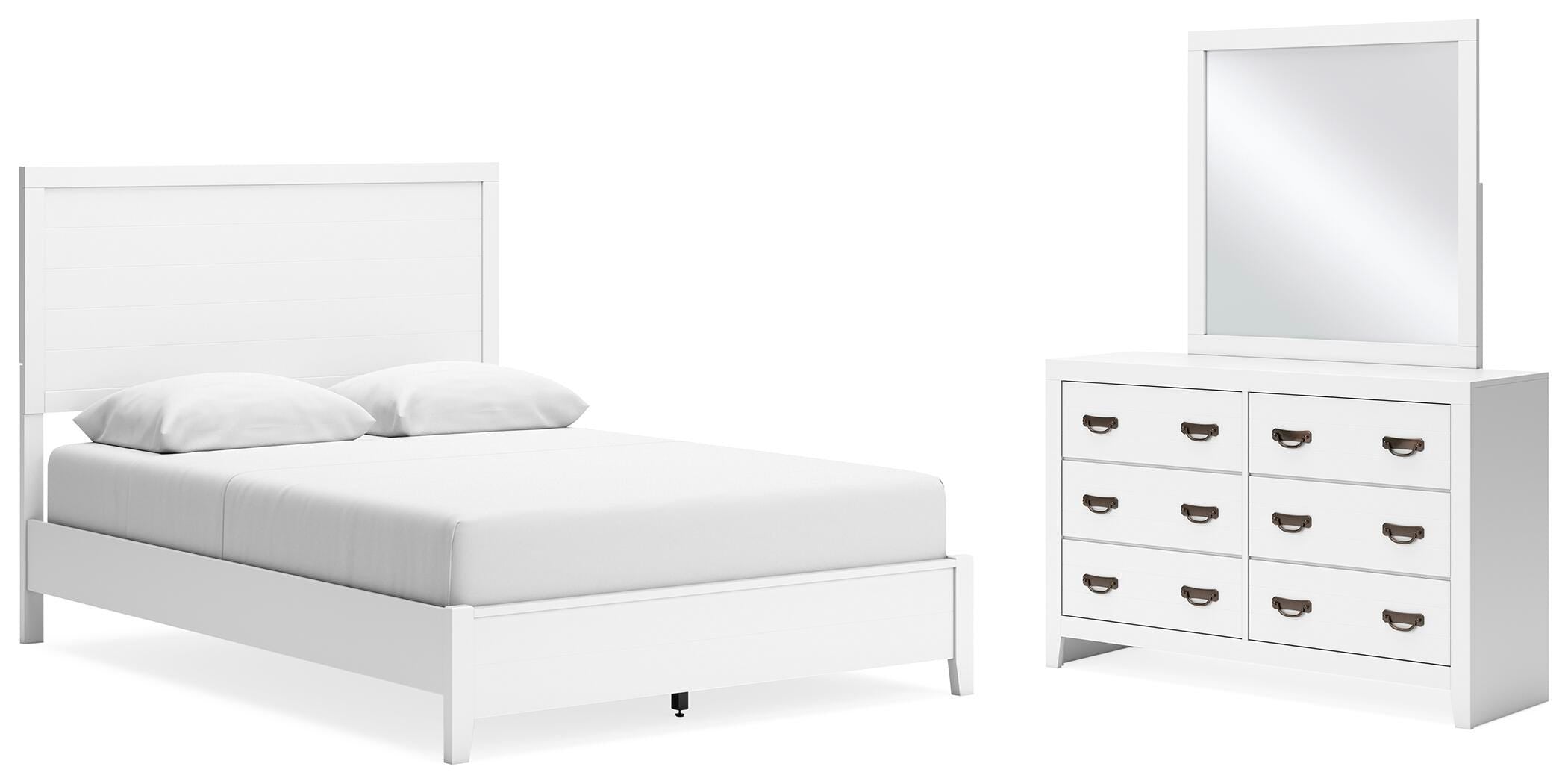
FAQs
Does my bedroom layout really affect how well I sleep?
Yes. Bedroom layout affects light exposure, noise, temperature, airflow, and your sense of safety in bed. Even moving the bed away from a bright window or noisy door can improve rest within a few nights. Track changes with a simple sleep diary for one week before and after rearranging.
What is the best bed position for both function and feng shui?
The best bed position usually has a solid wall behind the headboard, a clear view of the door, and space on both sides. Avoid feet pointing directly toward the door, and avoid direct alignment with large windows when possible. Prioritize safety, clear pathways, and your own sense of calm over strict rules.
How can I improve a bad bedroom layout if I can’t move big furniture easily?
Start small. Shift lamps, clear pathways, remove clutter, and move electronic devices away from the bed. Use rugs, screens, or shelves to create distinct zones. Better curtains, dimmers, and bedside organization can also improve functionality without moving heavy furniture.
Is it okay to have a desk or TV in my bedroom?
It can be okay, but desks and TVs often reduce sleep quality when they dominate the room or stay visible from bed. Place them in a separate zone, reduce screen time before bedtime, and hide screens with cabinets, curtains, or a folding screen at night.
How often should I rethink my bedroom layout?
Review your layout after major routine changes, such as a new job, a baby, a sleep schedule, or a shared sleeping arrangement. Otherwise, check it once a year. Seasonal tweaks to bedding, lighting, and storage can help the room stay practical and restful.
Shop Now at Great Lakes Furnishings for Bedroom Furniture
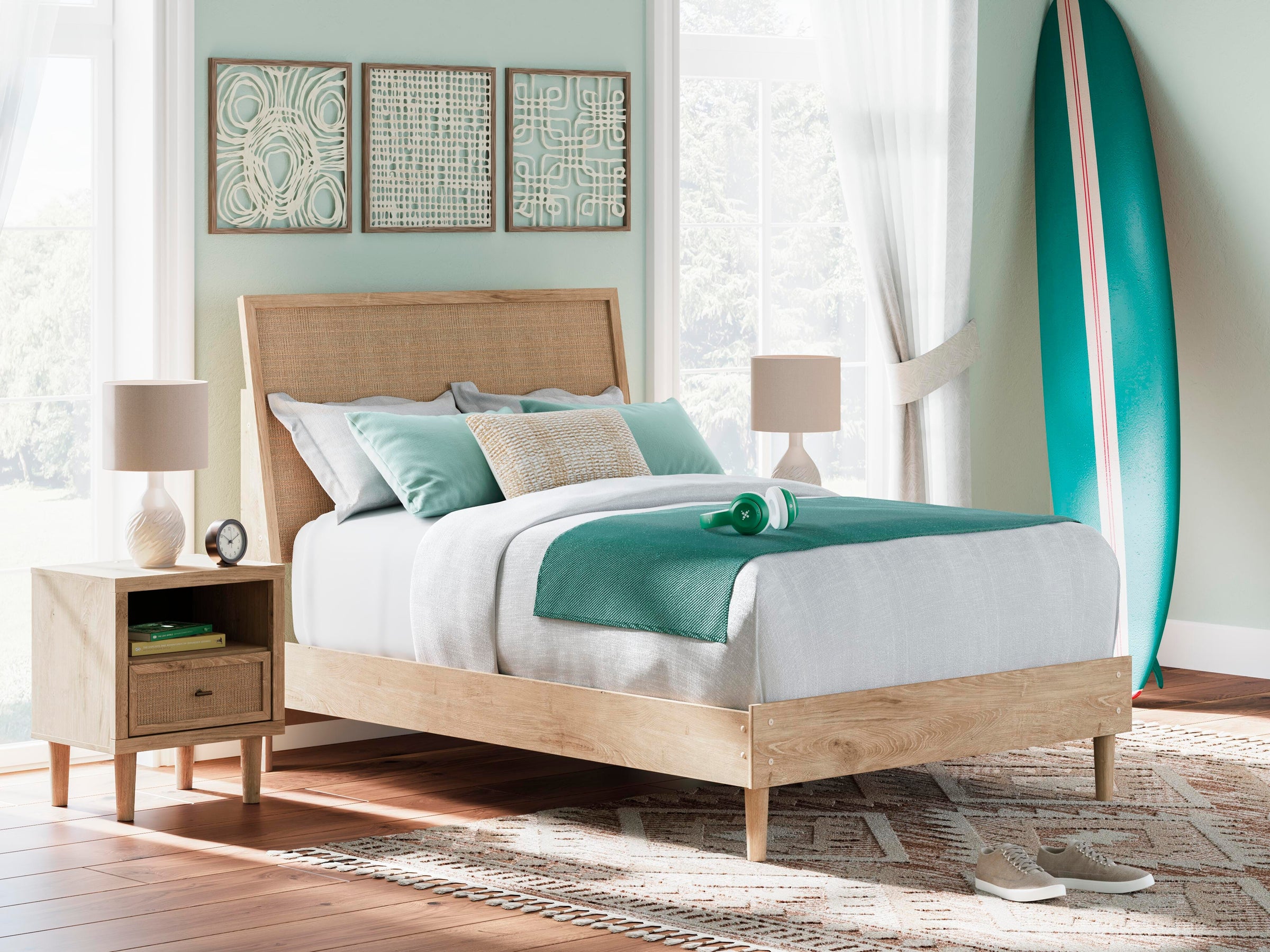
Shop now at Great Lakes Furnishings and discover bedroom furniture designed to bring comfort, style, and functionality to your home. Whether you're creating a peaceful master suite, upgrading a guest room, or furnishing a new space, our collection offers quality pieces that help make every bedroom feel warm and inviting.
Get your bedroom furniture at Great Lakes Furnishings today and explore a selection of beds, dressers, nightstands, and storage solutions crafted for lasting durability and everyday comfort. With designs ranging from classic to contemporary, you'll find everything you need to create a bedroom that is both beautiful and practical.