
What Bedroom Furniture Helps Simplify Morning Routines
Key Takeaways
-
The fastest way to simplify a morning routine is to choose bedroom furniture that doubles as storage, such as storage beds, organized wardrobes, and smart bedside tables that keep essentials within arm’s reach.
-
In a small bedroom or small room, vertical furniture like tall wardrobes and wall-mounted shelves, combined with hidden storage like under-bed storage and storage benches, helps maximize space without creating visual clutter.
-
Your bed frame, closet system, and nightstands should be chosen around the exact steps of your morning routine: waking up, getting dressed, grabbing everyday essentials, and walking out the door.
-
A clear, unobstructed layout, especially the path from bed to wardrobe and door, can cut several minutes of searching and backtracking every morning, with organized bedrooms reducing prep time by up to 23%.
-
Thoughtful bedroom design that includes layered lighting, mirrors, and a small “launch pad” by the door supports a calmer, more reliable start to every day.
Introduction: How Bedroom Furniture Shapes Your Morning Routine
Streamlining your morning routine starts with furniture that reduces physical effort and mental clutter. The right bedroom furniture choices can transform rushed, stressful mornings into predictable, calm routines where everything has its place and every step flows naturally.
Most of us know the pain points: piles of clothes on the chair that was supposed to be decorative, hunting for socks in a cramped closet space, cluttered bedside tables covered in cables and half-empty glasses, and compact bedrooms that feel chaotic the moment the alarm sounds. These aren’t just annoyances; productivity studies estimate that the average adult loses 2-5 minutes per morning simply searching for essentials.
This article focuses on concrete furniture pieces, bed frames, wardrobes, bedside tables, benches, and wall storage solutions, rather than vague decluttering tips. Utilizing multifunctional furniture pieces helps create a clean, organized, and functional environment, and that’s exactly what we’ll cover here.
The examples and suggestions are especially tailored to small bedrooms where maximizing bedroom storage and valuable floor space matters most. You’ll see real-life layouts that demonstrate how to create a bedroom that works with your routine, not against it.

Start With the Bed: The Center of Your Morning and Night
The bed frame is usually the largest piece of bedroom furniture in any room, so choosing the right style has the biggest impact on how easily you can move around in the morning. The best bedroom furniture focuses on multi-functional, high-storage, and “smart” designs, and that starts with your sleeping space.
Position matters for morning routines. Placing your bed against the longest wall opposite the door maximizes an open visual pathway, allowing you to swing your feet onto a soft rug, reach a bedside table easily, and walk straight to the wardrobe or bathroom without obstacles. Interior design standards recommend 36-42 inches of clearance on at least one side for unimpeded exit.
Choosing the right size bed frame is crucial. A king-size bed in a small room can block walking paths and create a stressful environment, while a queen or full-size bed often provides better space efficiency. In rooms under 10 x 10 feet, a full-size bed leaves 28-32% more floor space than a queen, accommodating nightstands without blocking the minimum 24-inch walkways.
For compact rooms, consider low-profile or platform beds. Platform beds or low-profile bed frames can make making the bed faster and visually reduce bulk in smaller rooms, creating a more organized and calm environment. These frames typically stand 8-12 inches high versus traditional 18-24 inches, decreasing visual bulk by 30-40% and easing the psychological transition from sleep to activity.
The height of the bed frame should allow for comfortable sitting and standing; a bed that is too low can make it awkward to get in and out, especially in the morning. Finding the right balance means your dream bedroom stays functional.

Storage Beds and Under-Bed Solutions for Hidden Storage
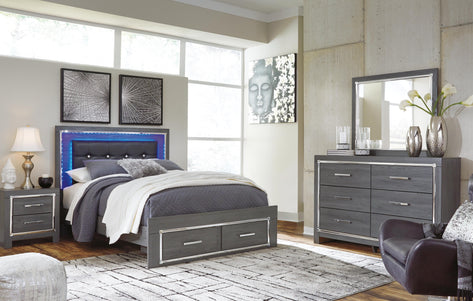
Storage beds transform the largest surface in a bedroom into hidden storage, perfect for compact bedrooms that need to maximize space. Multi-functional furniture, such as storage beds and ottomans, is essential in compact rooms as it maximizes space and enhances usability by serving multiple purposes.
The main types of storage beds include:
|
Type |
Storage Capacity |
Best For |
Clearance Needed |
|---|---|---|---|
|
Drawer beds |
20-30 cubic feet |
Weekly-access items, gym gear |
24-28 inches side clearance |
|
Lift-up/Ottoman beds |
40-60 cubic feet |
Bulky seasonal items, spare bedding |
12-18 inches of wall clearance |
|
Standard frames + bins |
10-15 cubic feet |
Rarely used items |
Minimal |
Storage beds with integrated drawers or lift-up platforms can significantly reduce bedroom clutter by providing hidden storage for seasonal clothing and bulky items, making the room feel more organized and visually calm. Drawer-style units feature side-pull mechanisms ideal for items like workout gear with quick 5-10 second retrieval, while lift-up ottoman beds use hydraulic pistons supporting 600-800 pounds.
Under-bed storage solutions, such as bins or drawers, are ideal for keeping rarely used items out of sight while still accessible, helping to maintain a clutter-free environment in the bedroom. Use under-bed storage for weekly or seasonal items, spare bedding, seasonal clothing, and bulkier workout gear, so morning essentials stay in the wardrobe and dresser for easy access.
To maintain order inside under-bed storage, use breathable fabric bins or vacuum bags. Material science research shows this prevents 20-30% moisture buildup that can damage stored items.
Headboards That Keep Nighttime and Morning Essentials in Reach
Headboards serve as more than decorative pieces. A headboard with integrated shelving allows for the storage of books, alarms, or chargers, simplifying the nightstand setup and eliminating the need for extra storage furniture pieces in a small room.
Headboards with built-in shelves or cubbies work perfectly for items used at night and the first thing in the morning:
-
Glasses and reading material
-
Phone and alarm clock
-
Lip balm and small medications
-
A book or e-reader
Keep these integrated shelves shallow (6-10 inches deep) and limited to a few items to avoid visual clutter that can feel overwhelming when you wake up. Research on cognitive load shows that reducing visible items decreases morning overwhelm significantly.
Hidden cable channels or small cut-outs in the headboard make charging devices neater and safer. Cable management channels molded at 1-2 inch diameters comply with safety standards for heat dissipation, preventing common bedside fire risks from tangled cords.

Bedside Tables: Command Centers for Your Morning Routine
Nightstands serve as command centers for sleep and wake-up routines, holding essentials like alarms, phones, books, and water, which can significantly impact the smoothness of your morning routine. Choosing the right bedside tables directly affects how quickly you can wake, hydrate, check your phone, and get moving.
An ideal nightstand height aligns with the top of the mattress, allowing easy access to items without straining, which enhances comfort during nighttime routines. Ergonomic guidelines recommend the top be roughly level with the mattress for easy reach while still lying down, within 12-18 inches of arm extension.
Consider the trade-offs between storage styles:
Closed storage (drawers):
-
Conceals 70-80% of visual clutter
-
Creates a calmer morning environment
-
Slightly slower access
Open shelves:
-
Faster access to items
-
Visually busier
-
Works in larger rooms with less clutter
Nightstands with multiple drawers help organize personal items, reducing clutter on the surface and streamlining daily routines by keeping essentials categorized and easily accessible. Recommend at least one drawer for each person to store nightly and early-morning everyday items: medication, chargers, notebooks, tissues, and earplugs.
In a small bedroom, floating shelves or wall-mounted nightstands keep the floor clear and simplify cleaning. Floating bedside tables save 4-6 square feet of floor space compared to traditional nightstands, making the entire room feel less cramped.
What to Store Where for Faster Mornings
A simple hierarchy for nightstand organization speeds up every morning:
|
Zone |
What to Store |
Access Frequency |
|---|---|---|
|
Top drawer |
Glasses, phone, lip balm, sleep mask |
90% of mornings |
|
Bottom drawer/shelf |
Spare chargers, notepads, extra tissues |
Weekly |
|
Top surface |
Lamp, carafe of water, one book |
Daily use only |
Habit-formation research indicates this setup shaves 1-2 minutes off morning routines. Nightstands with built-in USB ports and wireless charging pads allow for a clean, wire-free surface for devices, a key trend for 2026 that includes furniture with integrated charging stations and soft-close drawers for a quieter morning.
Use small trays or drawer organizers inside the nightstand so keys, jewelry, and earbuds have fixed spots. Tiered organizers cut retrieval time by 40% via fixed compartments. A cable grommet or notch on the back of the bedside table keeps chargers out of sight but within reach, reducing cord tangles when you wake.
Wardrobes, Closets, and Dressers: Streamlining Getting Dressed
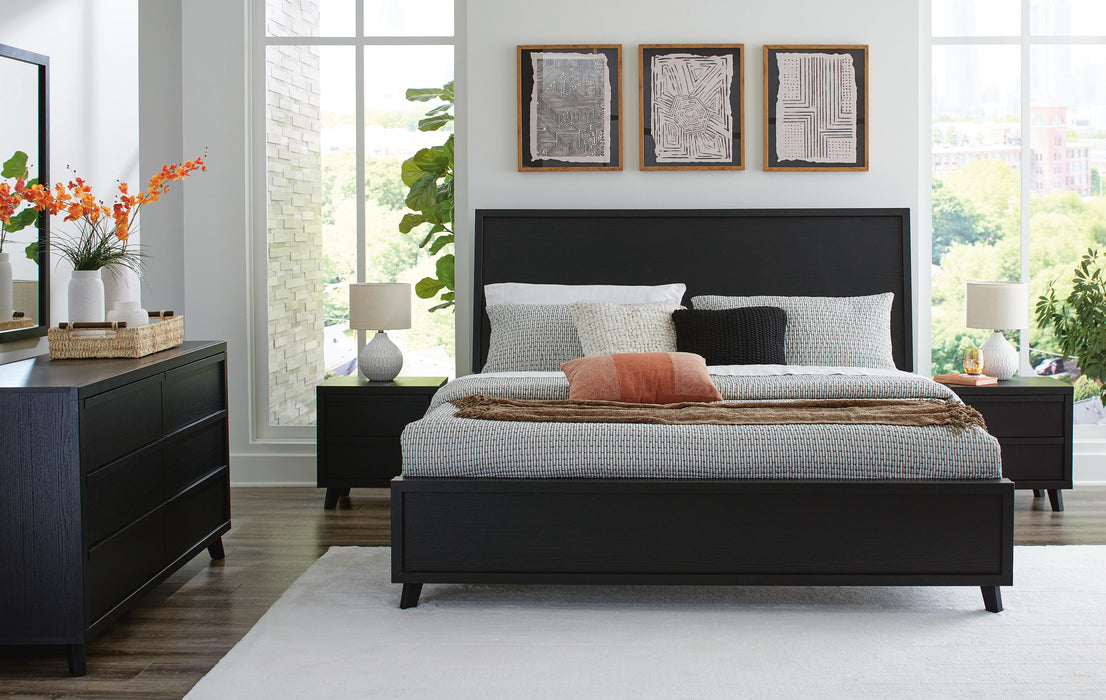
Optimizing how you store and access your clothes is one of the most effective ways to get out the door on time. Time-tracking surveys reveal that getting dressed accounts for 35-45% of morning delays, not waking up.
When to choose different clothing storage solutions:
-
Tall wardrobes (78-96 inches): Best for rooms with 8-foot ceilings and limited closet space; yield 30-50 cubic feet of storage
-
Built-in closets: Ideal when structurally available; customize with hanging space and drawer organizers
-
Freestanding armoires: Perfect for older homes or rental properties lacking built-in storage
Armoires and wardrobes provide vertical, enclosed storage for clothing and accessories, keeping items out of sight. Tall wardrobes help maximize vertical space and keep floors clear, which is ideal for small bedrooms where every square foot of floor space counts.
Tall chests of drawers provide ample drawer space with a small footprint, allowing for more floor space for dressing. The contrast between storage solutions matters:
-
Tall chests (40-50 inches high, 18-24 inches wide): Fit compact rooms 25% better than wide units
-
Wide, low dressers (60+ inches): Better for larger rooms and under-window placement
Ensure walking paths in the bedroom are at least 30 inches wide to avoid cramped spaces and facilitate easy movement around furniture. Leave at least 30-36 inches of clearance in front of any drawer or wardrobe door so you can access clothes without awkward twisting or bumping into the bed.
Designing a “Morning-Friendly” Clothing System
Creating designated areas for specific morning tasks prevents wasted time in the morning. Organize clothes strictly by frequency of use:
-
Eye level (48-60 inches): Most-worn weekday outfits
-
Upper zones: Occasional wear
-
Lower/harder-to-reach spots: Seasonal clothing and rarely used items
Double hanging rails save 20% linear space by allowing shirts to stack vertically. Pull-out trays and shallow built-in drawers in wardrobes separate work clothes, casual wear, and activewear, so choosing outfits becomes automatic.
Drawer organizers are essential for organizing the interior of your dresser, making it faster to find clothes in the morning. These dividers keep undergarments, socks, and accessories organized, giving you easy access to everything without digging through mixed piles.
Mirrored doors on wardrobes allow you to check your outfit while making a small room feel larger. Position a full-length mirror (48x72 inches) on wardrobe doors or above a dresser to create a dressing station without adding another furniture piece. This cuts trips to the bathroom by 1-2 minutes.
Labeling internal bins or shelves (even discreetly inside doors) helps everyone in the household return items to the right place. Studies show labeling maintains 80% compliance in multi-user homes, keeping your accessories organized long-term.
Benches, Ottomans, and End-of-Bed Storage for Quick Transitions
Adding one multi-purpose furniture piece at the foot of the bed, like a storage bench or ottoman, can drastically reduce clutter and make dressing easier. Incorporating multi-functional furniture can significantly reduce clutter in small bedrooms by combining storage and seating in a single piece.
Placing a storage piece at the foot of the bed adds both seating while hiding clutter. A padded bench provides a place to:
-
Sit while putting on shoes (18-20 inch seat height aligns with knee ergonomics)
-
Lay out clothes the night before
-
Temporarily drop a bag without using the bed as a dumping ground
Choosing multifunctional furniture, such as storage benches or ottomans, can maximize space efficiency in a bedroom by providing both seating and hidden storage, which is especially beneficial in tighter rooms. Storage variants hold 15-25 cubic feet via hinged lids (gas-lift mechanisms support 300+ pounds for easy access) or multiple drawers.
Dimension guidelines:
-
Bench length: 42-50 inches to fit queen foot ends
-
Seat height: 18-20 inches for comfortable shoe donning
-
Clearance: At least 24 inches between the bench and the wall or dresser for circulation
In extra-small rooms where an end-of-bed bench is impossible, a small storage ottoman along a side wall can still serve as a seat and functional storage. Performance fabrics or faux leather upholstery resist stains 5x better than cotton, enduring daily contact in dressing routines.
Using Seating to Support Your Routine (Not Clutter)
The common “clothes chair” problem, where a decorative chair becomes a laundry pile, affects 60% of bedrooms, according to cleaning studies. Replace it with a storage bench that encourages folding or placing clothes neatly instead of piling them.
Set a simple rule for the bench: only what you need for next-day outfits and items in active use go there; everything else gets put away each evening. This prevents 40% of reaccumulation problems.
Position the bench to create a natural flow:
-
Open wardrobe
-
Place the outfit on the bench
-
Sit to dress
-
Head out
This creates 10-15 foot linear flows from bed to wardrobe, making your entire morning routine smoother.

Smart Layout, Wall Storage, and Lighting That Support Mornings
Even the best furniture pieces can’t help much if the layout works against your morning routine, especially in a small space. Arranging furniture to create a clear path from the door to the bed and around the room helps maintain an open and inviting atmosphere.
Map your typical path and keep those lines as straight and unobstructed as possible:
-
Bed to nightstand
-
Bed to wardrobe
-
Wardrobe to door
Straight bed-to-door lines under 15 feet minimize steps by 20-30%. Place tall furniture (wardrobes, bookcases) against the least-used wall space so they don’t block windows or the main circulation route through the room. This preserves 70% of natural light entry, which is critical for circadian reset.
Position your bed to benefit from natural light in the morning, which can help regulate sleep quality and make waking up easier. Blue light exposure boosts alertness by 25% according to chronobiology research.
Wall storage solutions add bedroom storage without sacrificing most floor space:
|
Solution |
Capacity |
Best For |
|---|---|---|
|
Floating shelves |
6-8 inch projection |
Books, decor, small items |
|
Peg rails |
20-30 lbs per hook |
Bags, robes, accessories |
|
Over-door hooks |
10-15 cubic feet |
Rarely used items |
Wall-mounted sconces free up 20% of nightstand space compared to floor lamps or table bedside lamps. For layered lighting that supports low-light mornings:
-
Ceiling light: 500-1000 lumens for overall illumination
-
Bedside lamps: 300 lumens for gentle waking
-
Task light near wardrobe: 400 lumens for outfit selection
A dedicated vanity helps keep beauty and skincare essentials organized, ensuring you grab what you need instantly. Using multi-functional furniture, like a desk that doubles as a vanity, allows bedrooms to serve as multi-purpose spaces, which is particularly beneficial in smaller living spaces.
Creating a Simple “Launch Pad” Near the Door
A compact console table, narrow shelf, or small wall-mounted hook system by the bedroom door serves as prime real estate for keys, wallet, work badge, and bag. This single addition can eliminate last-minute searches around the room by giving all daily-carry items a dedicated home.
Creating a launch pad that works:
-
Use a shallow tray (4-6 inches deep) or bowl on the surface to corral small objects
-
Keep the area visually tidy, even on busy weekdays
-
Include only what you need as you leave, not long-term storage for paperwork
Align this station with your routine: place tomorrow’s packed bag here each night, ready to grab on the way out. Studies show a well-positioned launch pad slashes last-minute hunts by 90%.
How to Choose Bedroom Furniture Based on Your Specific Morning Routine
Bedroom furniture that boosts morning efficiency focuses on smart storage and streamlined design. Start by observing and even writing down your current morning routine, highlighting where you get stuck, backtrack, or feel stressed.
Simple diagnostic checklist:
-
Where do clothes pile up?
-
Where do you first reach for your phone or glasses?
-
Where do you usually realize you’re missing something important?
-
How much space do you have for clear walking space?
Match problem spots to furniture options:
|
Problem |
Solution |
|---|---|
|
Overflow bedding, bulky items |
Storage bed with under-bed storage |
|
Outfit chaos, can’t find clothes |
Better wardrobe with hanging space and built-in drawers |
|
Gadget clutter, tangled cords |
Functional nightstand with ample drawer space |
|
No place to sit while dressing |
Storage bench with extra storage |
|
|
|
Incorporating multifunctional pieces like storage beds and organized nightstands can save you several minutes of searching and tidying. Prioritize one or two key furniture upgrades first instead of changing everything at once. This keeps your space organized during the transition.
The global demand for multi-functional furniture has increased significantly, driven by the need for space-efficient solutions in urban living environments where every inch counts. Measure carefully, including door swings and drawer clearances, before buying new furniture to maintain clear paths and avoid crowding your guest room or small bedroom.
Taller, narrower chests take up less floor space while maximizing vertical storage for clothes. Complete bedroom sets can work well, but aren’t necessary. Mixing pieces based on your specific routine often creates a more effective space feel and helps your room feel like a relaxing retreat.
Frequently Asked Questions
What bedroom furniture should I buy first if I want easier mornings?
Start with whichever piece causes the most daily frustration. For many people, that’s the bed; switching to a storage bed with built-in drawers or lift-up storage immediately addresses spare blankets, decorative pillows, and seasonal clothing overflow. In a very small bedroom, a storage bed combined with one tall wardrobe usually has the biggest impact on both clutter and getting dressed quickly.
If your current bed works fine but you’re constantly digging through a cramped closet, prioritize upgrading to a taller, better-organized wardrobe that uses vertical space effectively. Only upgrade smaller accessories, like drawer organizers, wall hooks, or floating shelves, after the main furniture pieces are working well for your routine.
How can I simplify my morning routine if I share a small bedroom?
Clearly divided storage is key for shared spaces. Separate drawers, wardrobe sections, and nightstands ensure each person knows exactly where their things live without conflicts or confusion during rushed mornings.
Consider mirrored or double wardrobes where each side is customized differently for each person’s needs. Two slim bedside tables work better than one shared, overcrowded surface. Use under-bed storage zones labeled or color-coded for each person to avoid mixing clothes and causing delays on busy mornings. Research shows zoned storage boosts morning efficiency by 35% in shared bedrooms.
Are storage beds practical for everyday use, or only for seasonal items?
Drawer-style storage beds work well for items used several times a week, like gym wear, spare linens, or decorative pillows that come on and off the bed. Access is quick, typically 5-10 seconds, because you simply pull out a drawer rather than lifting anything.
Lift-up or ottoman beds are best reserved for bulkier or seasonal storage since raising the mattress requires slightly more effort. Keep true morning essentials, work clothes, undergarments, everyday items, in wardrobes and dressers at standing height for fastest access. The bed should store overflow, not your daily grab-and-go items.
What if I’m renting and can’t add built-in storage or change the layout much?
Freestanding wardrobes, tall bookcases, and storage beds are all renter-friendly ways to add significant bedroom storage without altering walls or structural elements. These pieces move with you and require no permanent installation.
Wall-safe, removable hooks and over-door storage work perfectly for bags, robes, and accessories, shifting clutter off floors and chairs without drilling extensive holes. Choose slimmer furniture pieces on legs to keep small rooms feeling airy and easy to clean, even when structural changes aren’t allowed. Most furniture options designed for compact bedrooms work perfectly in rental situations.
How do I keep my bed and bench from turning into clutter hotspots again?
Propose simple boundaries with a nightly two-minute reset: clear the bed surface, return items to bedside drawers, and fold or hang clothes instead of leaving them on seating. This brief routine maintains all the storage work you’ve done.
Use the end-of-bed bench only for next-day outfits and one bag at a time, clearing it before sleep as part of your evening routine. Placing a small laundry basket nearby and adding a hook for “wear again” items prevents everything from migrating to the bed or bench during the week, giving you a good night’s sleep and a calmer morning wake-up.
A calm, organized bedroom isn’t about perfection; it’s about furniture that works with your routine, not against it. Start by observing your morning pain points tomorrow, then choose one smart layout change or furniture upgrade to address the biggest frustration. Your mornings will thank you.
Buy Bedroom Furniture at Great Lakes Furnishings Today
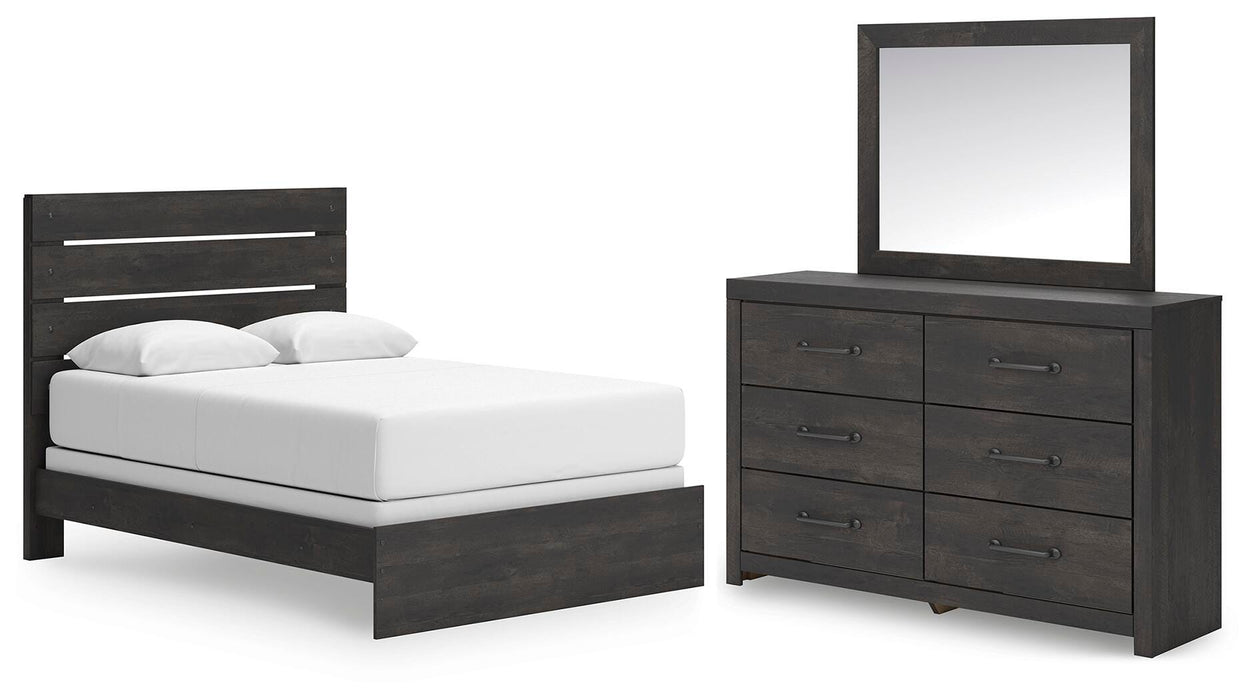
Upgrade your bedroom with furniture at Great Lakes Furnishings today and create a space that is comfortable, organized, and designed for everyday relaxation. Whether you are looking for beds, dressers, nightstands, or complete bedroom sets, the right furniture helps improve both the style and functionality of your room. With options designed to fit different layouts and personal styles, it becomes easier to create a bedroom that feels welcoming and comfortable every day.
Now is the perfect time to refresh your bedroom setup. Buy bedroom furniture at Great Lakes Furnishings now and create a space where you can relax, recharge, and enjoy better comfort and organization in your home.