
What to Avoid When Buying Dining Room Furniture: 9 Critical Mistakes That Cost Thousands
Dining room furniture represents one of your home’s most significant furniture investments, yet countless homeowners make expensive mistakes that create years of regret. Whether you’re furnishing your first home or upgrading an existing dining space, the wrong choices can drain your budget while leaving you with an uncomfortable dining area that doesn’t serve your family’s needs.
Professional interior designers consistently report seeing the same costly mistakes repeated by well-intentioned homeowners. From choosing the wrong table size to overlooking long-term maintenance requirements, these errors often aren’t apparent until after delivery—when it’s too late and expensive to correct.
This comprehensive guide reveals the biggest mistakes to avoid when shopping for dining room furniture, helping you make informed decisions that create an inviting space your family will enjoy for years to come. By understanding these common pitfalls before you start furniture shopping, you’ll save both money and the frustration of living with poor choices.
Critical Size and Scale Mistakes
Choosing the Wrong Table Size
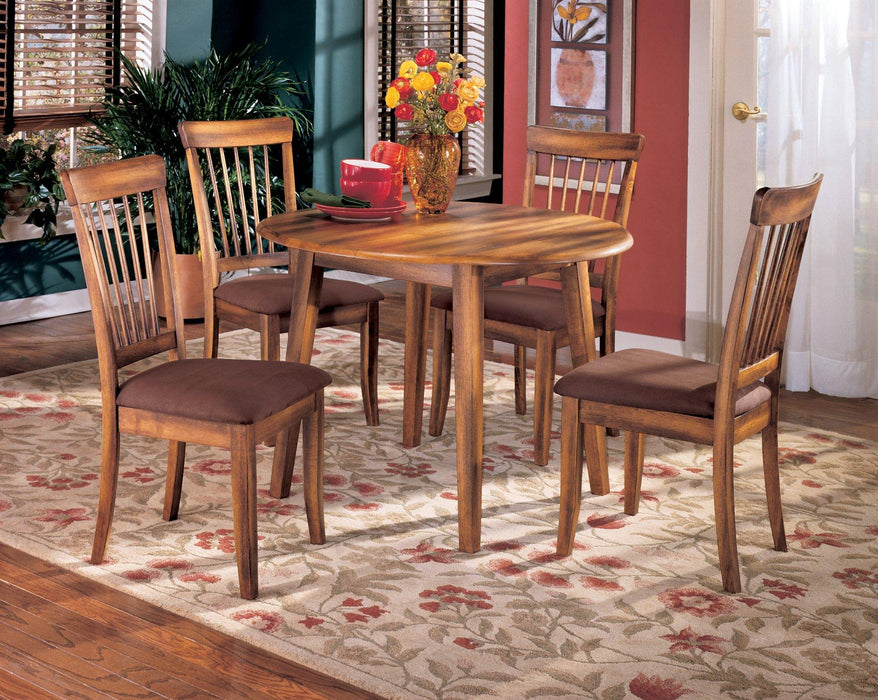
The most frequent and costly error homeowners make involves selecting an inappropriately sized dining table for their space. A round dining table over 6 feet in diameter creates conversation barriers and makes passing food across the surface nearly impossible. When family members can’t easily reach dishes or engage in comfortable conversation, even the most beautiful table becomes a daily source of frustration.
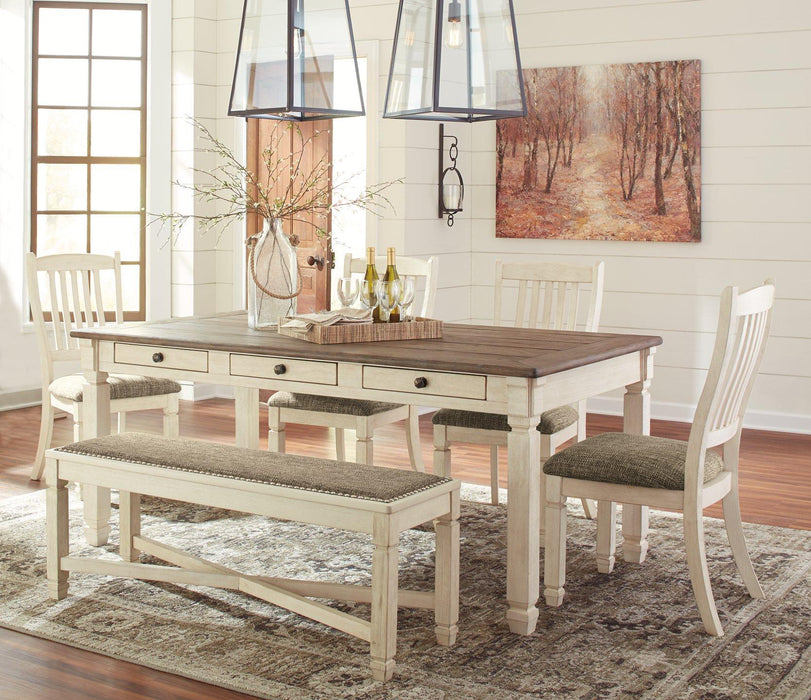
Beyond diameter considerations, you must ensure 36 inches of clearance on all sides of your table for proper chair pull-out and traffic flow. This measurement isn’t negotiable—chairs need adequate space to extend fully when someone sits down or stands up. Many buyers measure their dining room and assume any table that fits the basic dimensions will work, only to discover their new furniture blocks doorways or creates cramped seating conditions.
Don’t overestimate your seating needs when selecting table size. Purchasing an eight-person dining table when you regularly seat four people creates daily inconvenience while occupying valuable square footage. Most dining tables serve families rather than frequent entertaining, so choose based on your actual usage patterns rather than aspirational hosting scenarios. For special occasions when you need more space, consider folding tables as supplemental seating rather than oversizing your primary table.
Room shape compatibility matters significantly for both function and visual appeal. Square tables placed in long narrow rooms create awkward proportions that make spaces feel unbalanced. The table becomes the dominant focal point without complementing the room’s natural flow, disrupting the overall dining room design.
Rug and Furniture Proportion Errors
Rug sizing represents one of the most common mistakes professional interior designers encounter in dining rooms. Never choose rugs too small for your dining set—all chair legs should remain on the rug surface even when chairs are pulled out for seating. When chairs rock between rug and hard flooring, the uneven surface creates instability and makes dining uncomfortable while visually fragmenting the space.
Oversized furniture pieces in small rooms create claustrophobic feelings that make dining spaces feel cramped rather than cozy. A large table that technically fits the room measurements can still overwhelm the space visually, making family meals feel crowded. Conversely, selecting tiny furniture for large spaces creates the opposite problem—a small table appears lost in an expansive dining room, diminishing the room’s sense of balance and intimacy.
Ceiling height considerations often get overlooked during furniture selection, yet they significantly impact how furniture appears in your space. Low ceilings paired with large, imposing furniture pieces create overwhelming environments that feel oppressive rather than inviting. Standard height dining furniture works best in rooms with at least 8-foot ceilings to maintain proper visual proportions.
Material and Quality Pitfalls
Poor Material Choices
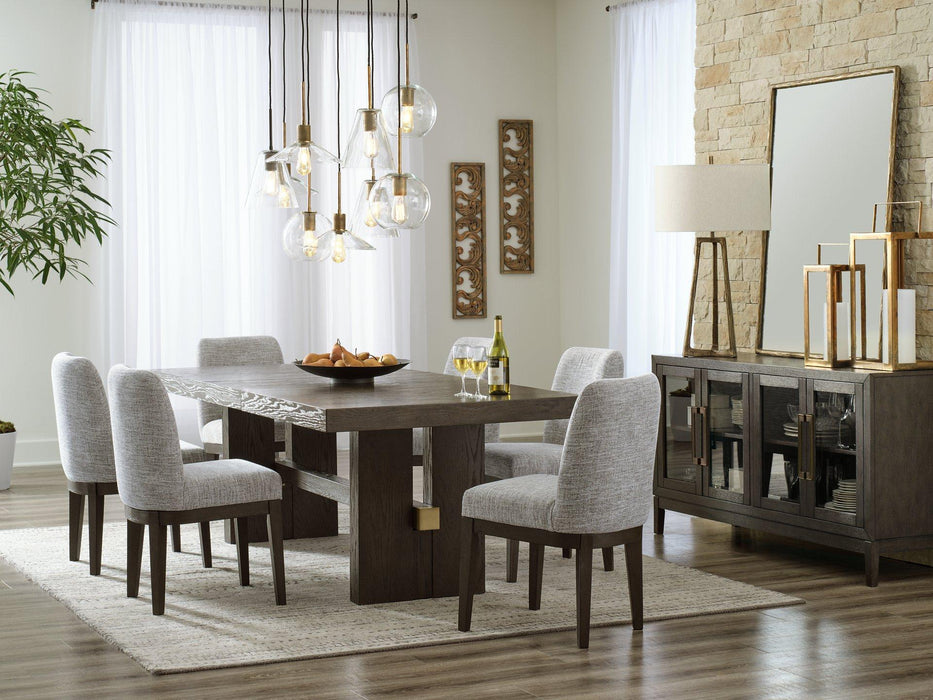
Glass-top dining tables appeal to many buyers for their visual lightness and modern aesthetic, but they present significant practical challenges for family dining. These surfaces show every fingerprint, water spot, and food crumb, requiring constant maintenance that becomes exhausting for busy households. Additionally, glass tops feel cold during meals, creating an impersonal atmosphere that contradicts the warm, inviting dining experience most families desire.
White or light finishes create similar maintenance burdens, especially in homes with children. These surfaces show every mark, scratch, and stain, demanding immediate attention to maintain their appearance. What initially appears fresh and bright quickly becomes a source of stress as you constantly worry about damage and spend time on frequent cleaning.
Veneer construction offers lower initial costs than solid wood but rarely provides good long-term value for dining tables that see daily use. Veneer surfaces chip and peel within 5-7 years under normal family conditions, requiring expensive refinishing or complete replacement. Solid wood construction costs more upfront but withstands decades of use while developing character that enhances its appearance over time.
Delicate finishes that scratch easily represent another poor choice for active dining spaces. Lacquer surfaces show every minor impact, while oil finishes require reapplication every 6-12 months to maintain their protective properties. Choose finishes designed for high-traffic areas that can handle the normal wear associated with family dining.
Construction Quality Issues
Never purchase dining tables that exhibit wobbly joints or visible gaps between assembled pieces during showroom inspection. These construction defects indicate poor manufacturing quality that will only worsen with regular use. Quality furniture features tight, stable joints that remain secure under the stress of daily dining activities.
Particle board or MDF construction cannot withstand the weight and moisture exposure that dining tables regularly experience. These engineered materials break down when exposed to spills or humidity, leading to swelling, cracking, and structural failure within a few years. Solid wood or high-quality plywood construction provides the durability necessary for long-term dining room use.
Extension mechanisms on expandable tables require particular attention during selection. Cheap hardware fails quickly under the stress of repeated opening and closing, leaving you with a table that won’t extend when needed. Test extension mechanisms thoroughly in showrooms, checking for smooth operation and solid locking when extended.
Tables without reinforced joinery develop stability problems within 2-3 years of regular use. Proper construction includes additional bracing, corner blocks, and quality fasteners that maintain structural integrity despite daily stress. Examine connection points carefully and ask about construction methods before making significant investments.
Comfort and Functionality Problems
Seating Comfort Mistakes
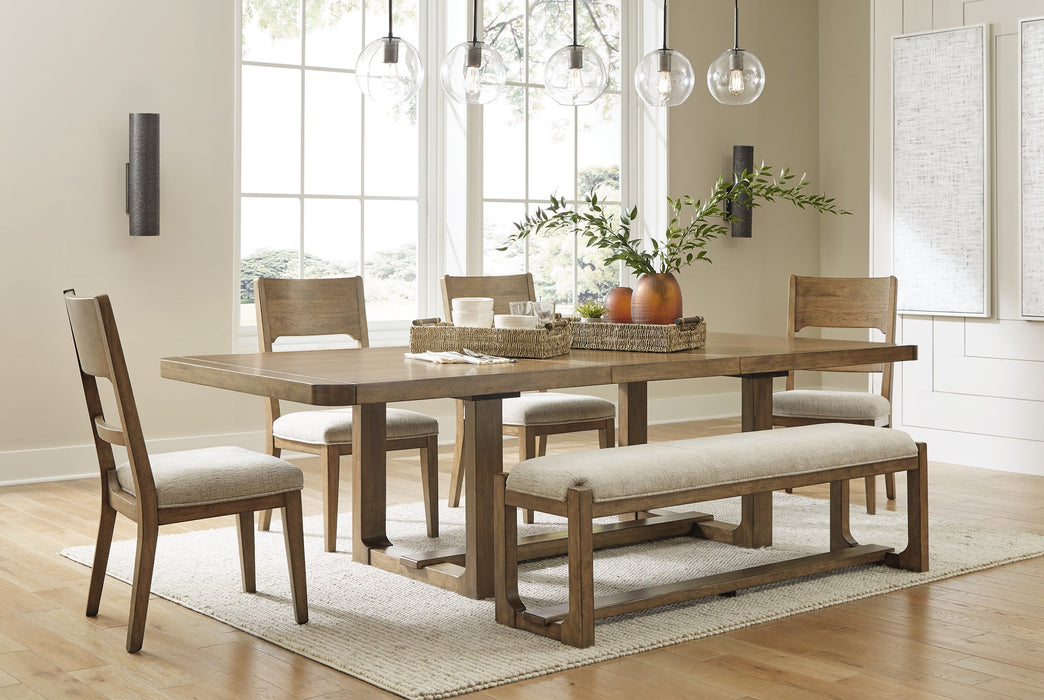
Beautiful dining chairs that become uncomfortable during extended meals create lasting regret for families who value leisurely dining experiences. Many stylish chairs prioritize appearance over ergonomic support, leaving diners shifting uncomfortably after 30-45 minutes of seating. Before committing to any chairs, imagine eating a full holiday meal while seated for 2+ hours to honestly assess comfort levels.
Height compatibility between tables and chairs determines comfort for every meal. The ideal clearance measures 12 inches between the chair seat and table apron (the underside of the tabletop). Insufficient clearance forces awkward postures and creates physical discomfort, while excessive clearance makes reaching plates and utensils difficult. Always test height relationships with your specific table and chair combinations.
Chairs with arms that don’t fit properly under tables create seating frustrations that affect every meal. When arms hit the table edge or apron, users must sit farther from the table, making eating awkward and uncomfortable. This common oversight often isn’t discovered until delivery, when correction requires expensive returns or replacement purchases.
Hard seating surfaces without adequate cushioning become problematic for families who linger over meals and conversation. While firm chairs photograph beautifully and complement minimalist aesthetics, they discourage the relaxed dining atmosphere most families prefer. Consider the difference between quick breakfast seating and long dinner conversations when evaluating chair comfort.
Poor Traffic Flow Planning
Large furniture pieces that block natural pathways through dining rooms create bottlenecks during meal preparation and service. Even properly sized tables can disrupt traffic flow if positioned incorrectly relative to kitchen entrances, hallways, or other frequently used passages. Plan furniture placement to maintain clear, logical movement patterns through your home.
Built in banquette seating appeals to many homeowners for its space efficiency and custom appearance, but it severely limits flexibility for different group sizes and occasions. Fixed seating cannot adapt to varying numbers of guests or different dining arrangements, potentially creating awkward gaps or overcrowding depending on your needs.
Room traffic patterns require careful consideration during furniture selection and placement. Dining areas that interrupt natural flow between other rooms create daily inconvenience and make entertaining more difficult. Map typical movement patterns through your home and ensure dining furniture enhances rather than obstructs these pathways.
Cramming too many dining chairs into small spaces violates basic comfort requirements and creates unpleasant dining experiences. Maintain 18-24 inches between chair backs and walls to allow comfortable seating and standing movements. Overcrowded dining areas make guests feel constrained and eliminate the relaxed atmosphere that makes meals enjoyable.
Style and Design Errors
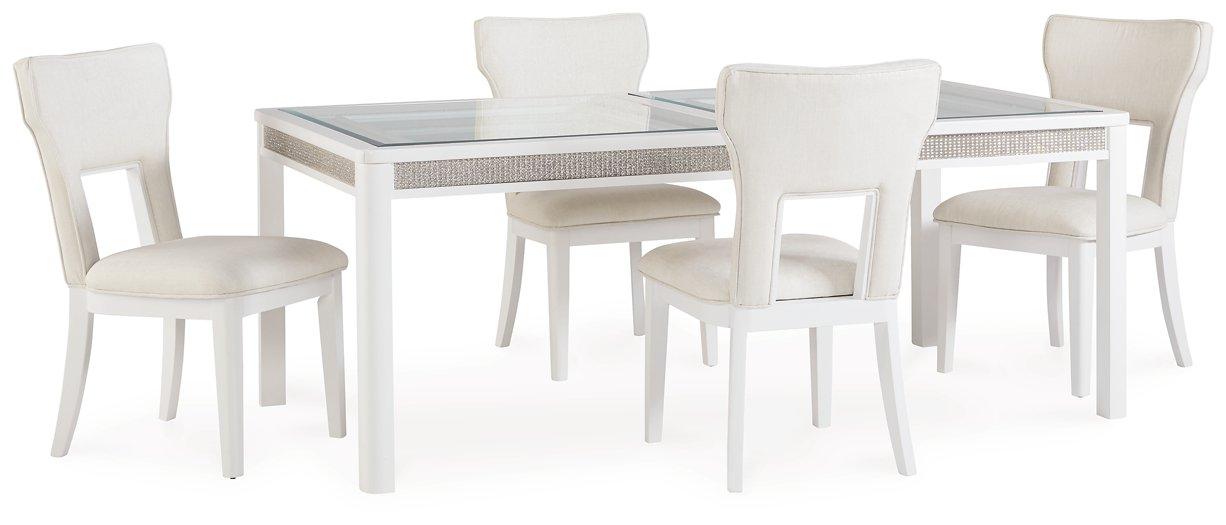
Matching Set Mistakes
Complete matching dining room sets create generic, showroom-like appearances that lack personality and individual character. These coordinated collections rarely reflect personal style or complement existing home décor, resulting in spaces that feel impersonal despite significant investment. Most interior designers recommend against matching sets in favor of curated pieces that create visual interest.
Furniture collections that include every piece from the same manufacturer often feel too coordinated and staged. Real homes benefit from the layered, collected-over-time appearance that comes from mixing different styles, periods, and materials. This approach creates spaces with personality and authenticity that perfectly matched sets cannot achieve.
Perfectly coordinated pieces throughout a room can make spaces feel sterile rather than lived-in and comfortable. The slight imperfections and intentional variety found in mixed furniture groupings create visual warmth that uniform sets lack. Consider selecting a beautiful focal table and then adding chairs, storage pieces, and accessories that complement without exactly matching.
Trend-driven furniture purchases that don’t complement your home’s existing architecture create jarring disconnects between different areas. Ultra-modern dining tables rarely work well in traditionally styled homes, while ornate traditional pieces can feel heavy and inappropriate in contemporary settings. Choose furniture that harmonizes with your home’s overall design language.
Ignoring Your Lifestyle
Formal dining furniture purchases often contradict how families actually use their dining spaces. If you eat casually 90% of the time, choosing furniture that requires placemats, coasters, and careful handling creates daily stress rather than relaxed family dining. Select furniture that supports your actual lifestyle rather than aspirational entertaining scenarios you may never implement.
High-maintenance materials and finishes become burdens for busy households that lack time for specialized furniture care. Some finishes require weekly attention, specific cleaning products, or professional maintenance that busy families cannot realistically provide. Choose finishes and materials that align with your available time and energy for furniture maintenance.
Dining sets that don’t accommodate your actual entertaining style and frequency represent poor investments that create storage and space challenges. Purchasing an expandable dining set for occasional large gatherings may make less sense than choosing appropriately sized furniture for daily use while renting or borrowing additional seating for rare large events.
Furniture requiring special cleaning products or professional maintenance creates ongoing costs and complications that affect long-term satisfaction. Simple materials that respond well to standard household cleaners and normal care routines provide better value and convenience for most families than delicate surfaces requiring specialized treatment.
Shopping Process Mistakes
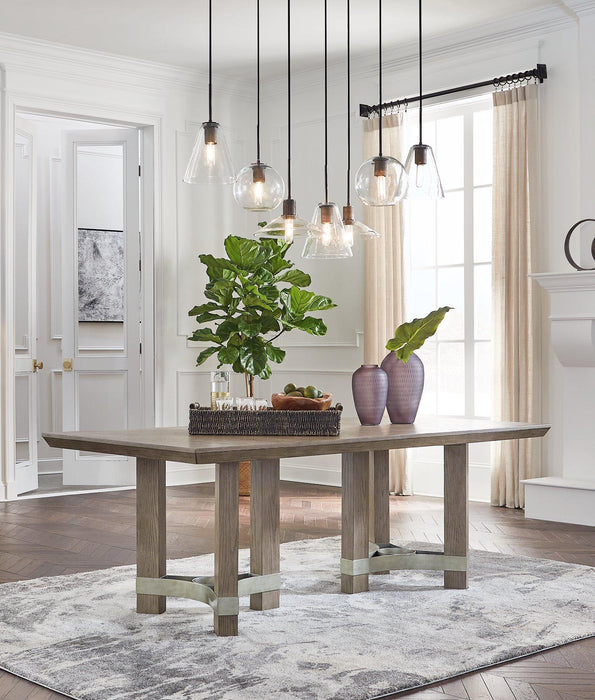
Online Shopping Pitfalls
Never purchase significant dining room furniture without seeing and touching actual pieces in person. Online photos consistently misrepresent size, color, texture, and build quality in ways that create unrealistic expectations. Even detailed specifications cannot convey the weight, stability, and material quality that determine long-term satisfaction with substantial furniture investments.
Return shipping costs for large dining room furniture can reach $200-500, creating significant financial barriers when online purchases don’t meet expectations. These costs often exceed initial shipping charges and may include restocking fees that make returns prohibitively expensive. Factor return logistics into online purchasing decisions and understand total costs before committing.
Online reviews for furniture often emphasize initial impressions rather than long-term durability and daily usability. Build quality issues, comfort problems, and material performance become apparent only after months of regular use, but most online reviews reflect immediate unboxing experiences. Weight, stability, and construction quality require hands-on evaluation that virtual shopping cannot provide.
Customer service quality varies dramatically among online furniture retailers, particularly for delivery coordination, damage claims, and warranty issues. Large furniture purchases require reliable support for logistics problems that frequently arise, making retailer reputation and service quality crucial considerations beyond price comparisons.
Showroom and Sales Pressure Issues
Making final furniture decisions during first showroom visits often leads to poor choices influenced by artificial lighting, staging, and sales pressure. Showroom environments create unrealistic contexts that don’t reflect how furniture will appear and function in your home. Plan multiple visits and take time to consider purchases away from sales environments.
Furniture financing promotions frequently increase total costs by 15-30% compared to cash purchases, despite appearing to offer convenient payment options. Interest charges, fees, and extended payment periods often make financed furniture significantly more expensive than advertised prices suggest. Calculate total financing costs before accepting promotional payment plans.
Extended warranties on furniture rarely provide value proportional to their cost while adding unnecessary expense to already substantial furniture investments. Most quality furniture problems appear within initial warranty periods, making extended coverage redundant. Focus purchasing budgets on higher-quality pieces rather than warranty insurance for lesser-quality options.
Sales pressure to purchase matching accessories often leads to unnecessary expenses that exceed furniture budgets without adding proportional value. Table pads, chair covers, and decorative accessories can often be purchased separately at better prices after careful consideration rather than as impulse additions during initial sales interactions.
Budget and Value Mistakes
Understanding the total cost of dining room furniture purchases requires considering factors beyond initial price tags. Delivery fees, assembly costs, and necessary chair purchases can add hundreds or thousands to advertised furniture prices. Many tables require separate chair purchases, while delivery and setup services often cost $200-400 for dining room sets.
Extremely cheap furniture typically needs replacement within 5 years, making initial savings false economy compared to moderate-quality pieces that last decades. Poor construction, inferior materials, and inadequate hardware create ongoing problems that eliminate any initial cost advantages. Factor replacement frequency into total ownership costs when evaluating different price points.
Furniture financing arrangements should be avoided unless they offer genuine 0% interest terms with reasonable payment periods. Standard furniture financing rates typically add 15-25% to total purchase costs, making moderately-priced quality furniture more expensive than higher-quality pieces purchased with cash or low-interest credit options.
Budget planning for dining room purchases should include protective accessories like table pads, placemats, coasters, and cleaning supplies. These seemingly minor expenses can add $200-500 to furniture costs but significantly extend furniture lifespan and maintain appearance. Plan for these accessories rather than treating them as unexpected expenses.
Delivery and Installation Problems
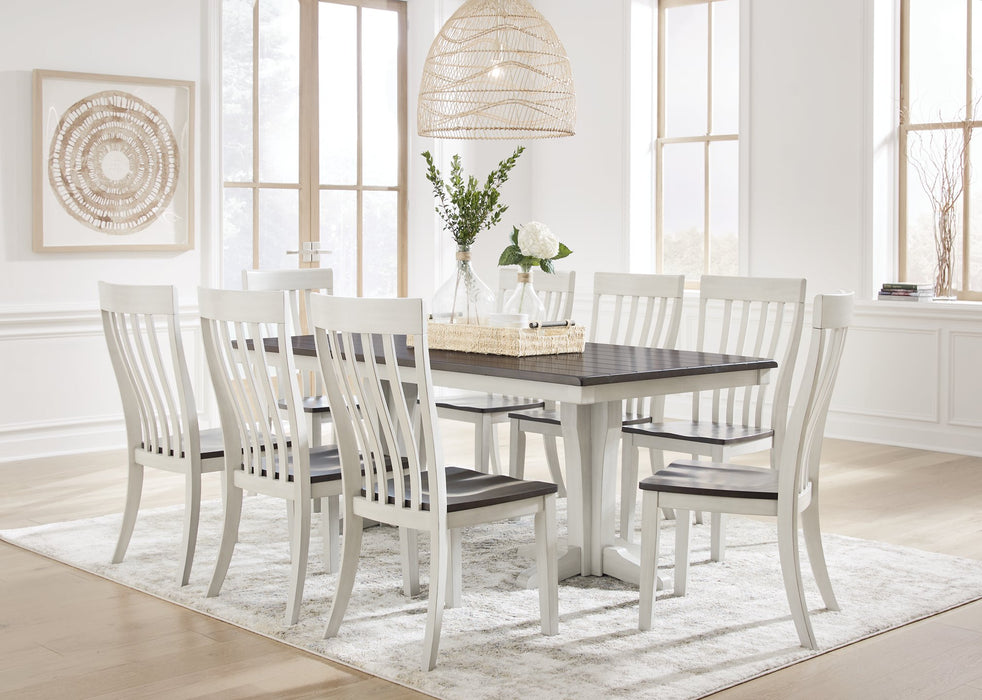
Never schedule furniture delivery without carefully measuring all doorways, hallways, staircases, and tight corners along the delivery route from your front entrance to the final dining room destination. Large dining tables and china cabinets may physically fit in rooms but cannot navigate narrow hallways or sharp turns during delivery, creating expensive return and replacement scenarios.
Custom dining room pieces often require 12-16 week delivery timeframes that aren’t clearly communicated during sales processes. This extended timeline can disrupt moving schedules, holiday entertaining plans, or room renovation projects. Confirm delivery schedules for all pieces and plan other room changes accordingly to avoid extended periods without functional dining furniture.
Damage inspection during delivery represents your only opportunity to document problems and initiate immediate replacement or repair processes. Once delivery crews leave, damage claims become complicated and time-consuming. Inspect all surfaces, joints, hardware, and finishes before signing delivery confirmation, documenting any issues with photos and written notes.
Professional assembly services often cost $100-300 for dining room furniture while potentially damaging floors or walls during installation. If you have basic tool skills, self-assembly saves money while ensuring careful handling of your property. However, complex pieces or those requiring precise alignment may justify professional assembly despite additional costs.
Long-term Maintenance Oversights
Materials requiring professional refinishing every 3-5 years create ongoing costs that should be factored into initial purchase decisions. Some wood finishes and specialty materials need expert restoration to maintain appearance and protection, making budget furniture with high maintenance requirements more expensive long-term than quality pieces with durable finishes.
Certain finishes yellow or change color when exposed to sunlight over time, particularly near windows or in bright dining areas. This color shift can make carefully coordinated room designs appear mismatched within a few years. Ask specifically about UV stability and color consistency when selecting finishes for bright dining spaces.
Daily care requirements vary dramatically among different furniture materials and finishes. Some surfaces need daily wiping to prevent staining, while others require weekly oiling, monthly polishing, or seasonal conditioning. Understand specific care requirements and honestly assess your willingness to provide necessary maintenance before selecting high-maintenance materials.
Furniture requiring special cleaning products not available at regular stores creates ongoing inconvenience and expense. Oil-based finishes, specialty stains, and exotic wood treatments may need particular cleaners or conditioners that require ordering from specialty suppliers. Choose materials that respond well to readily available household cleaning products for long-term convenience.
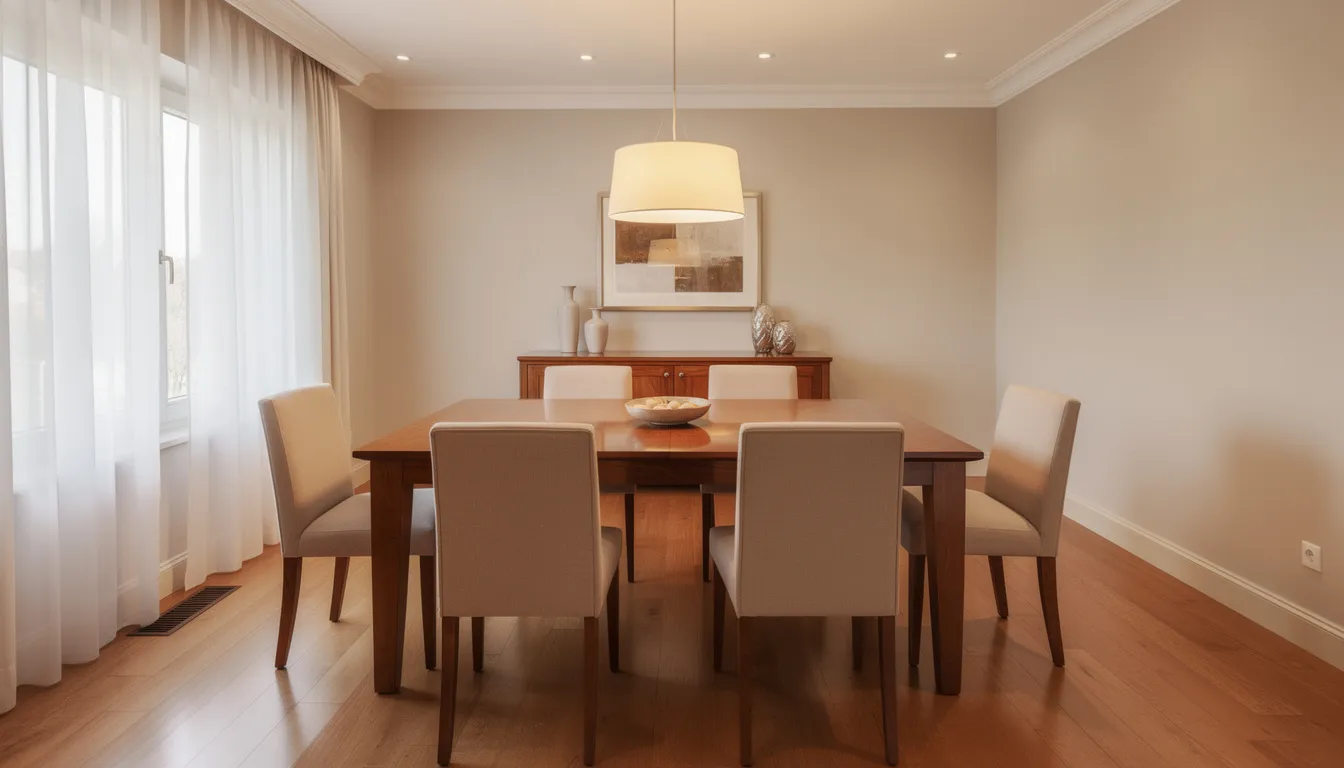
Shop At Great Lakes Furnishings Today!
Buying dining room furniture is exciting, but there are a few things to watch out for to make sure your investment works for your home. We know that size, comfort, and durability all play a big role in how enjoyable your dining space will be.
One common mistake is choosing pieces that look good but don’t fit the space properly. Our team often reminds customers to measure carefully and consider how much room is needed for chairs and movement around the table. Comfort should never be sacrificed for style alone.
We also encourage avoiding furniture that isn’t built to last. Daily use, spills, and wear can quickly take a toll on delicate materials. At Great Lakes Furnishings, we offer durable, stylish dining furniture that keeps your space functional, comfortable, and inviting for years to come.
Conclusion
Avoiding these common mistakes when buying dining room furniture protects both your budget and long-term satisfaction with this significant home investment. The key to success lies in careful planning, honest assessment of your family’s needs, and thorough evaluation of quality indicators before making purchases.
Remember that dining room furniture serves your family daily for many years, making comfort, durability, and appropriate sizing more important than trendy appearance or initial cost savings. Take measurements of your space, test furniture comfort personally, and choose materials that match your lifestyle and maintenance capabilities.
Before shopping, create a clear plan that includes room measurements, budget limits, and a realistic assessment of your dining patterns. This preparation helps you recognize quality options while avoiding sales pressure and impulse decisions that lead to expensive regrets.
Visit furniture stores with measurements in hand, test seating comfort for extended periods, and examine construction quality carefully. Your dining room should create an inviting space where family and friends want to gather, making thoughtful furniture selection one of your home’s most important design decisions.