
How to Pick the Right Dining Table Size for Your Space: Expert Tips & Solutions
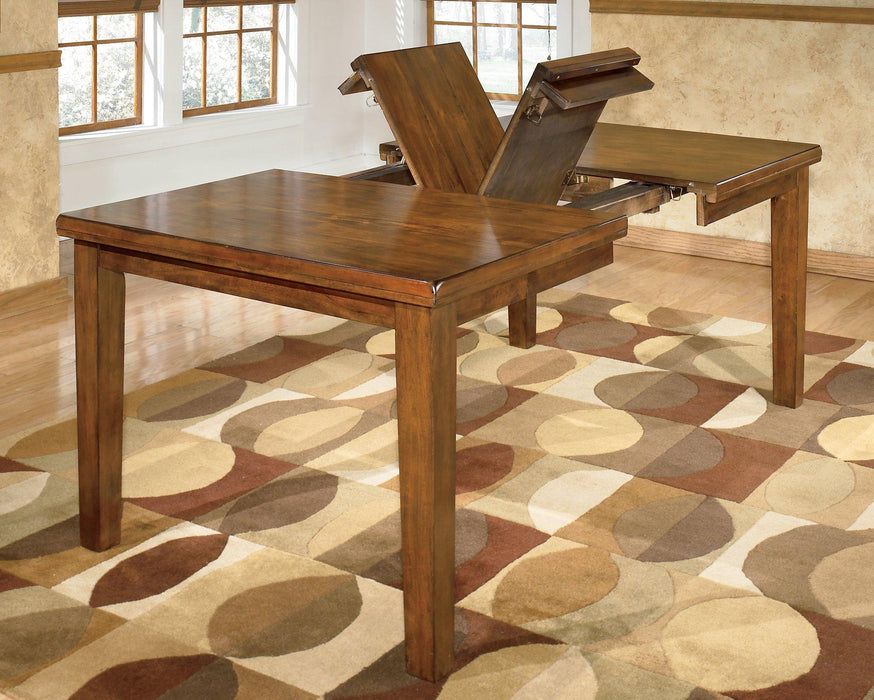
Wondering how to pick the right dining table size for your space? Start by measuring your room, deciding your seating needs, and choosing a table shape that fits your layout. This guide will help you through each step.
Key Takeaways
-
Accurate measurements of your dining room are essential, allowing for 6 feet of clearance around the dining table for comfort and movement.
-
Consider the seating capacity and ensure at least 60 centimeters (23 inches) of space per person, allowing for comfortable dining and movement.
-
The shape and positioning of the dining table significantly impact the aesthetics and functionality of the space, with proper clearance for traffic flow being vital for an inviting atmosphere.
Measure Your Dining Room

Accurate measurements are the foundation of selecting the right dining table size for your space. Follow these steps:
-
Measure the total area of your dining room in square feet to understand how much floor space you have available.
-
Use a measuring tape to determine the length and width of the room.
-
Subtract 6 feet from each dimension to account for clearance around the table.
-
Convert the resulting dimensions to inches.
This calculation helps you determine the suitable dining table dimensions that will fit comfortably within your room.
The proportionality of the dining table to the room is crucial. Here are some guidelines to maintain balance and aesthetics:
-
The dining table length should be about one-third of the room’s dimensions.
-
For example, in a 15-foot long room, a 5-foot dining table is recommended.
-
Smaller spaces might accommodate tables as short as 3 feet.
-
If the table is too small, it can make the room feel empty.
-
An oversized table can create a cramped atmosphere.
When measuring your dining room, also consider other furniture and storage needs. Evaluate how these elements will interact with the dining table and ensure there’s enough room for everything to coexist harmoniously.
The right dining table size must be proportional to the room to avoid feeling out of place. Keeping these measurements in mind will help you make an informed decision and create a comfortable and inviting dining area with the right table size.
Consider Seating Capacity
Seating capacity is a key factor in selecting the perfect dining table size. Allocate at least 60 centimeters (23 inches) of space per person to ensure comfort at the dining table. This measure helps determine how many guests your table can accommodate comfortably.
For frequent gatherings and special occasions, use an extension or drop-leaf table to accommodate extra guests. This flexibility allows you to expand your seating capacity without permanently occupying additional floor space. Ensure 18 to 24 inches of space for chair movement so diners can sit and stand comfortably without bumping into each other.
When planning dimensions, consider the following:
-
Allow 24 inches of space per person for each place setting to ensure adequate space for comfortable dining.
-
If you frequently host large gatherings, opt for dining tables that can expand or are naturally larger to accommodate more guests without compromising comfort.
-
Considering seating capacity helps create a functional and welcoming dining space for all guests.
Allow Adequate Clearance
Adequate clearance between the table around your dining table is crucial for comfort and ease of movement. Ideally:
-
There should be 42 to 48 inches of enough space between the table and walls or other furniture.
-
This space allows diners to move freely.
-
It enables guests to navigate the dining area comfortably.
At least 36 inches between the dining table and walls or other furniture is recommended for comfortable movement. This spacing allows diners to pull chairs in and out comfortably and ensures that there is enough room for serving dishes and other dining essentials. For optimal ease of movement, 42 to 48 inches of clearance is recommended between the table and doorways.
To ensure a functional and inviting dining area:
-
Provide 24 to 30 inches of space for chair movement to allow diners to sit and stand comfortably without obstructing pathways.
-
Maintain clearances and ensure enough room around the table.
-
Recognize that adequate clearance is a key factor in making your dining space comfortable and enjoyable for everyone.
Choose the Right Table Shape
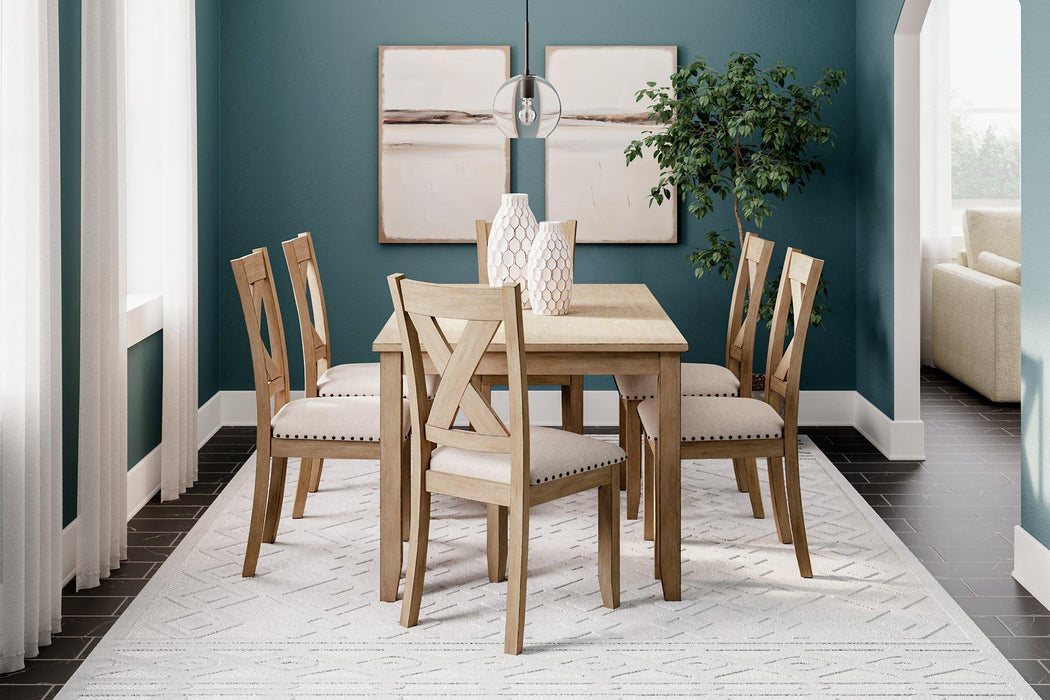
The shape of your dining table can significantly influence both the aesthetics and functionality of your dining space. Common shapes include:
-
Rectangular
-
Square
-
Round
-
Oval Each offers unique benefits. Choosing the right table shape depends on your room dimensions, seating needs, and desired style.
Different types of tables and their suitability for room shapes:
-
Square tables: Work well in square rooms with square dimensions, providing symmetry and a balanced look.
-
Rectangular tables: Ideal for longer spaces and can maximize seating capacity, making them suitable for larger gatherings.
-
Round tables: Foster intimate conversations and are perfect for smaller spaces, enhancing the room’s feel without overwhelming it.
-
Oval tables: Combine the seating efficiency of rectangular tables with the softness of round tables, offering a versatile option that suits various room shapes.
Consider how the table shape fits within your dining room’s layout and enhances the overall dining experience. The right table shape complements the room’s dimensions and enhances social interaction and movement flow. Choosing a table shape that aligns with your space and needs ensures a functional and aesthetically pleasing dining area, creating the right shape for your dining experience.
Factor in Walkways and Traffic Flow
Clear walkways and smooth traffic flow around your dining table are crucial for comfort. An ideal distance to allow for walking behind chairs when they are pulled out is between three feet to 6 feet. This space ensures that guests can move around the dining area without feeling cramped or bumping into furniture.
Proper clearance and well-planned traffic flow facilitate easy entry, exit, and movement within the dining room. This general rule not only enhances the overall dining experience but also ensures that the dining area remains functional and inviting with an ideal clearance of minimum disruption.
Factoring in walkways and traffic flow creates a practical and enjoyable dining space, considering important factors and key factors.
Account for Ceiling Height
Ceiling height is an important factor when choosing the right dining table size. Higher ceilings can accommodate larger tables, while standard ceiling heights may require more moderate options. For standard ceiling heights, standard dining table sizes are appropriate, as oversized tables can dominate the space and feel overwhelming.
The average height range for dining tables is between 71 and 81 centimeters (28 and 32 inches), which works well with most ceiling heights. Considering the ceiling height ensures your dining table fits proportionally within the room and contributes to a balanced, harmonious space.
Think About Table Positioning

The positioning of your dining table significantly influences the flow of movement and social interaction within the dining room. A centrally positioned dining table enhances accessibility and creates a focal point, ensuring balanced movement around it. However, centered tables generally require more space for clearance around them compared to those placed against a wall.
Tables positioned against a wall can help save floor space, making them suitable for small spaces dining rooms. For smaller dining spaces, round tables sits can fit better, offering a cozier dining room table experience.
By carefully considering the positioning of your dining table, you can create an inviting atmosphere and enhance the usability of the dining area while creating a more enjoyable experience in an intimate setting.
Assess the Functionality of the Space
Understanding the primary use of your dining room is key to selecting an appropriate dining table size. Whether your dining area is intended for formal meals or casual gatherings affects the choice of table size and shape. Identify the frequency of gatherings, as this plays a significant role in determining the seating capacity needed.
Clarifying whether the dining space will be used for everyday meals or special occasions can guide your table selection. An expandable table can be advantageous for accommodating additional guests during special occasions.
Choosing a table that fits well within the dimensions of your room is fundamental for both aesthetics and functionality. By assessing the functionality of your dining space, you can select a dining table that meets your needs and enhances the overall dining experience.
Select Matching Dining Chairs

Choosing the right dining chairs is crucial for comfort and cohesiveness in your dining space. Proper spacing between chairs is key, with 30-33 inches recommended for formal dining and 24-27 inches for family-style meals. This spacing ensures that each guest has enough room to dine comfortably without feeling cramped.
Select dining chairs with a supportive backrest for enhanced comfort during meals. For round tables, armless chairs are recommended to prevent overcrowding, while chairs with arms require additional space which must be considered to accommodate each seat.
Selecting matching dining chairs that complement your table creates a cohesive and inviting dining area.
Customization Options
Customization options allow you to create a dining table that perfectly fits your unique dimensions and personal style. Bespoke dining tables offer the following benefits:
-
Tailored to fit specific room dimensions
-
Accommodate particular seating arrangements
-
Consumers can submit example photos and dimensions to get quotes for custom dining table designs.
Unique designs, such as those made from reclaimed materials or hybrid styles, are available for customized dining tables. Custom dining tables can be designed with various finishes that match personal style preferences. By opting for a custom dining table, you can create a one-of-a-kind piece that enhances your dining space and reflects your personal taste.
Shop at Great Lakes Furnishings Today!
Transform your home with quality furniture that’s built to last and priced to fit your budget. At Great Lakes Furnishings, we offer a wide range of stylish and durable pieces for every room, including:
-
Living room
-
Bedroom
-
Dining
-
Home office
-
And more Whether you’re furnishing a new space or upgrading your current one, we’re here to help you find the perfect match for your style and needs.
Visit us today and see why local families trust Great Lakes Furnishings for comfort, quality, and unbeatable value. Our extensive selection of dining tables, dining room tables, and other furniture ensures that you’ll find the perfect pieces to create a beautiful and functional home.
Shop with us and experience the difference that quality furniture can make in your life.
Summary
In summary, selecting the right dining table size involves careful consideration of various factors, including room measurements, seating capacity, clearance, table shape, and positioning. By taking these elements into account, you can create a dining space that is both functional and aesthetically pleasing.
Remember, a well-chosen dining table enhances the overall dining experience and provides a comfortable setting for memorable meals with family and friends. We hope this guide has equipped you with the knowledge and inspiration to choose the perfect dining table for your home.
Frequently Asked Questions
How much space should I leave between my dining table and the walls?
You should leave 42 to 48 inches of clearance between your dining table and the walls to ensure comfortable movement and ease of access. This spacing fosters a pleasant dining experience and allows guests to navigate the area easily.
What is the recommended seating capacity for a dining table?
To ensure comfortable seating, it is recommended to allocate a minimum of 60 centimeters (23 inches) of space per guest at the dining table. This allows for a more enjoyable dining experience.
How do I choose the right table shape for my dining room?
To choose the right table shape for your dining room, consider your room dimensions and seating needs. Square tables suit square rooms, rectangular tables fit longer spaces, and round or oval tables offer versatility for various layouts.
How high should my dining table be?
Your dining table should ideally be between 71 to 81 centimeters (28 to 32 inches) in height to ensure a comfortable dining experience. This range accommodates most standard seating arrangements effectively.
Can I customize my dining table to fit my unique space?
Yes, you can customize your dining table to fit your unique space by tailoring its dimensions and seating arrangements, as well as selecting finishes and materials that reflect your personal style. This ensures a perfect fit for your dining area.